Loading
Why We Keep Ourselves From Hard Work
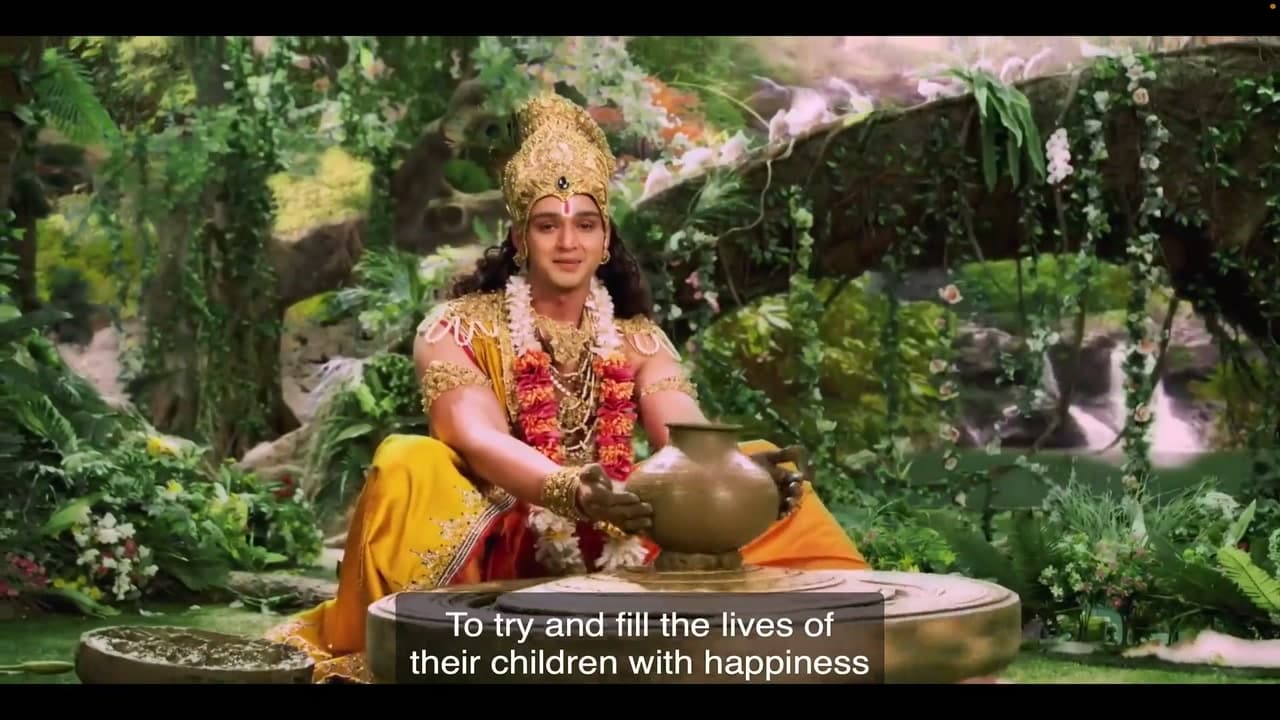
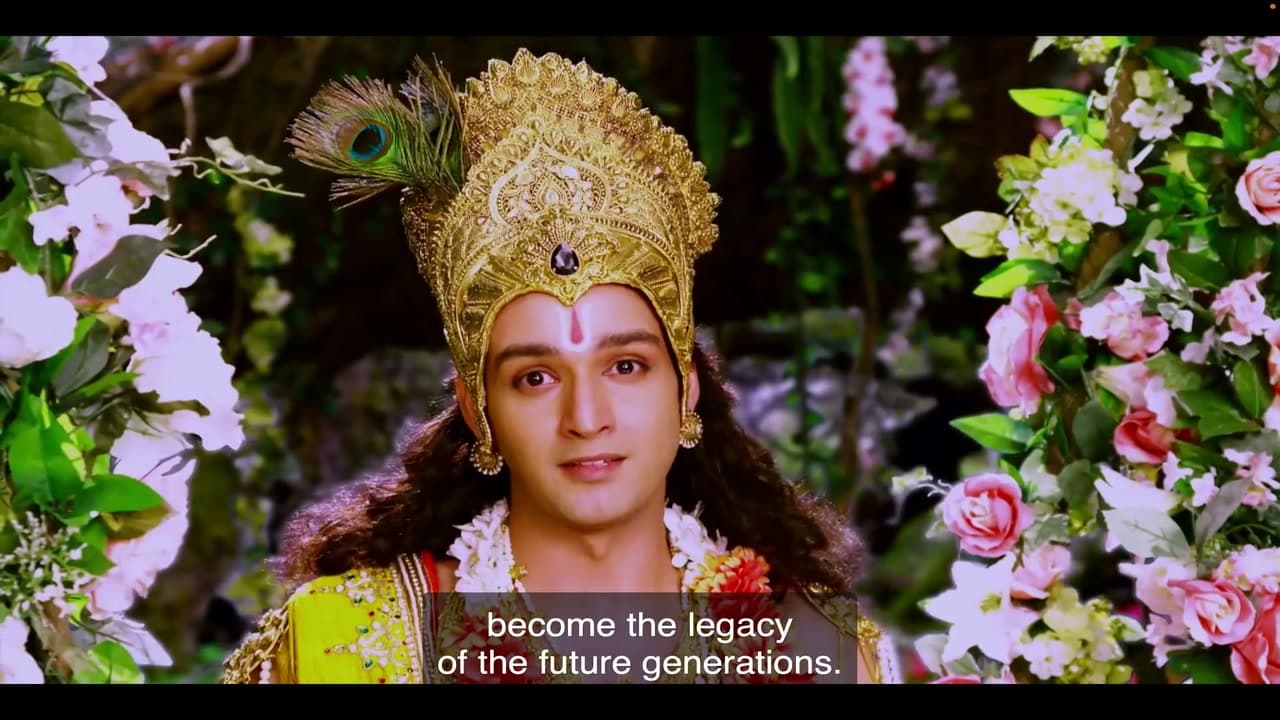
“And so, whenever we try to keep our children away from labor and sorrow, do we not in truth close off the very path to their happiness?”
About this teaching
It is human nature to desire the greatest possible happiness for oneself, for one's family, for one's children. For this very reason we keep ourselves forever apart from labor and hardship, and strive to increase our rest and our comforts. Reflect upon your own life — is it not true that we are forever arranging rest and comfort for our children?
The questions this teaching puts
Reflect upon your own life — is it not true that we are forever arranging rest and comfort for our children?
But have we ever thought what benefit rest alone can bring?
What is the life of those who receive only ease and comfort?
Chapter 2 — Parents
Chapter 2 of 35 — 5 parts, 10 min in total.
Tags
Parents, and the long shadow their wishes cast over their children.
Almost every catastrophe in the Mahabharat can be traced to a parent. Dhritarashtra cannot refuse his son. Gandhari blindfolds herself rather than see. Kunti abandons a child and keeps the secret for a lifetime. Shantanu's desire costs Bhishma everything.
The epic is unusually clear-eyed here: it does not present parents as villains, but as people whose love, unexamined, becomes the instrument of harm. What a parent wants for a child and what the child owes the world are not the same thing, and the gap between them drives much of the plot.