Loading
The Courage to Speak a Truth
“When a person speaks a fact even while fear remains, that is what is called truth.”
About this teaching
Surely such an occasion comes into everyone's life: the heart resolves to speak the truth, yet the truth will not pass the lips, for some fear takes hold of the mind. To speak about some event, or to say something about a mistake one has made oneself — is this hard? No; this is only fact — to say only what happened, exactly as it happened, is a simple thing.
The questions this teaching puts
To speak about some event, or to say something about a mistake one has made oneself — is this hard?
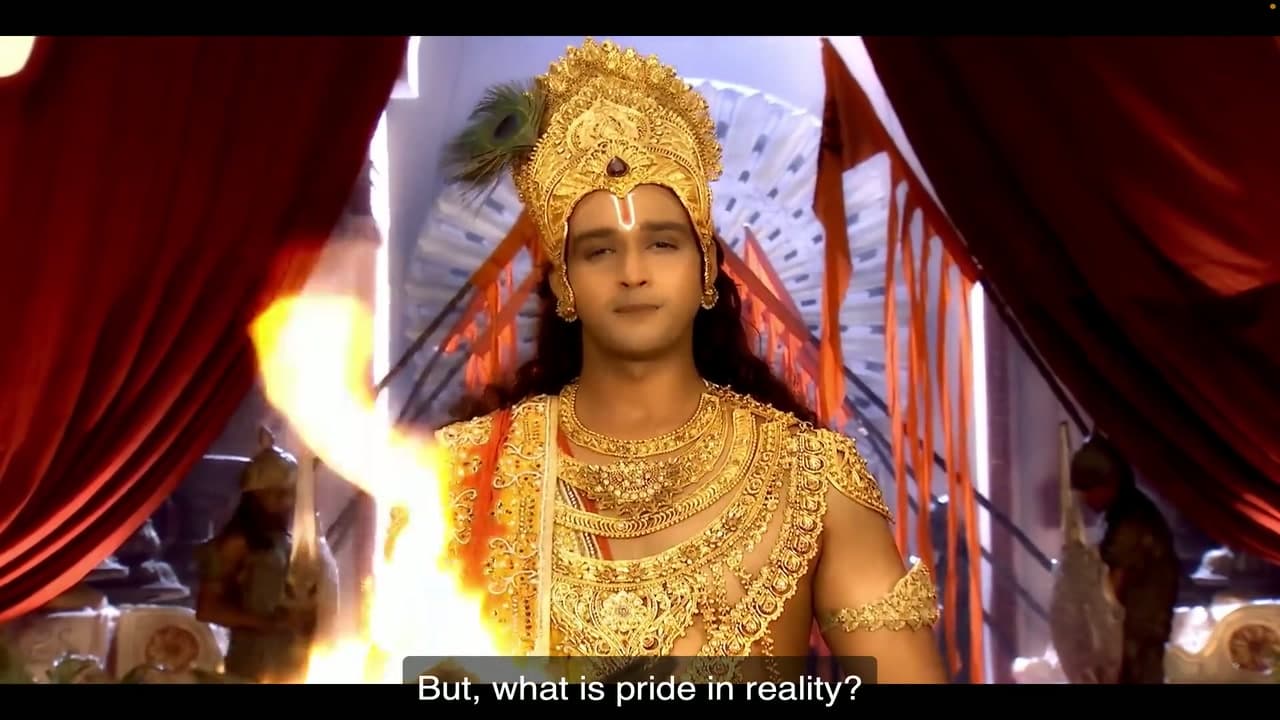
So what, then, is truth?
Have we ever considered it?
Chapter 10 — The Courage to Speak a Truth
Chapter 10 of 35 — a single teaching, 2 min in total.
Tags
Speaking when the room has decided not to.
In the assembly where Draupadi is dragged and staked, one voice objects: Vikarna, one of Duryodhana's own brothers, argues that the wager was not lawful. He is shouted down and the epic does not reward him for it. It records him anyway, which is the point — the Mahabharat is careful to note who spoke.
Vidura is the other case, and a harder one. He warns, repeatedly and accurately, and is repeatedly ignored. The story does not present speaking as a tactic that works. It presents it as the thing you are answerable for having done or not done.