Loading
No Enemy Greater Than Fear
“To escape fear, a man comes to accept injustice — and from there untruth is born.”
About this teaching
"Is fear not natural, revered uncle (Mama Shri)?" "No, my son. In truth there is no enemy in all this world greater than fear. Learn well what the fruits of fear are.
Chapter 4 — Fear
Chapter 4 of 35 — 3 parts, 5 min in total.
Tags
Fear — the emotion the Gita is spoken to answer.
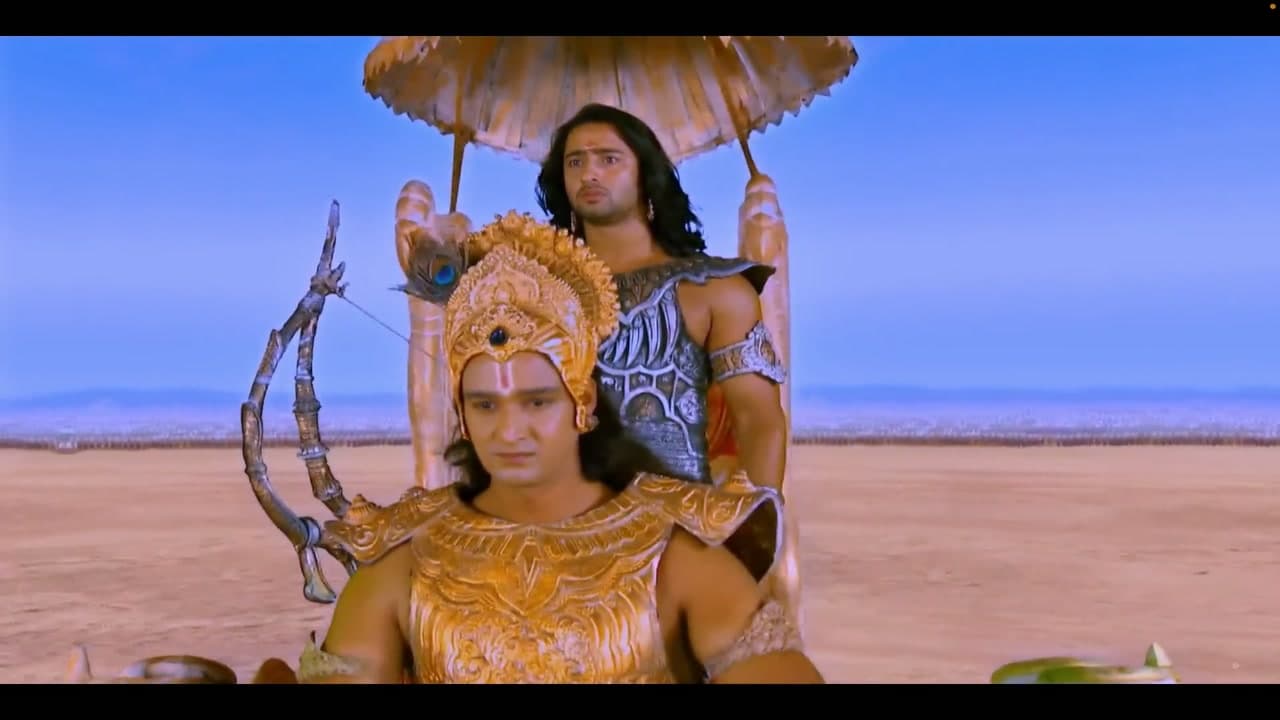
The Bhagavad Gita begins because Arjuna is afraid. Not of dying; he is the finest archer alive. He is afraid of what winning will cost — of killing his teacher, his grandfather, his cousins, and of what he will be afterwards. He puts down his bow in the middle of the field.
Krishna's response takes the whole of the Gita. It moves through several arguments: the self is not what dies; a duty abandoned out of fear is not thereby avoided, only deferred and worsened; and a mind steadied on something larger than its own outcome is not easily frightened.
The epic is honest that fear does not simply vanish. Arjuna asks again, and again, and Krishna answers each time.