Loading
How Society Has Treated Women
“Man wages the war, and forces its cost upon the women of the vanquished city.”
About this teaching
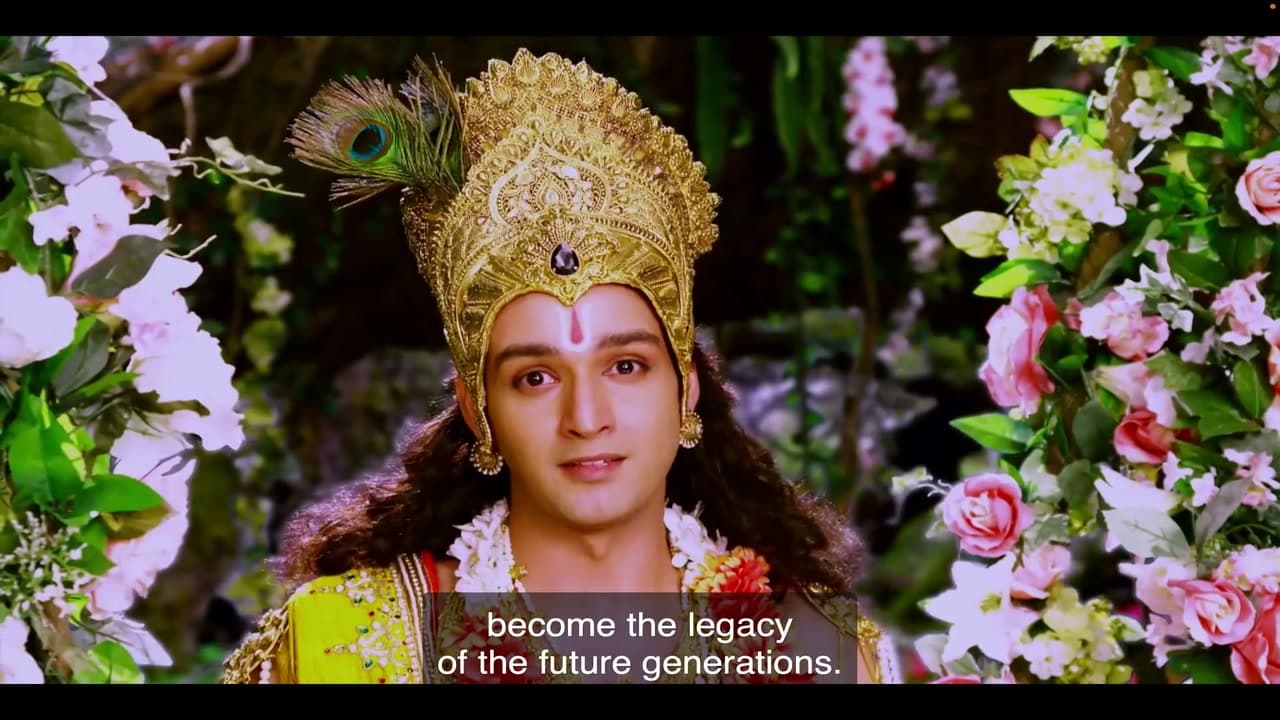
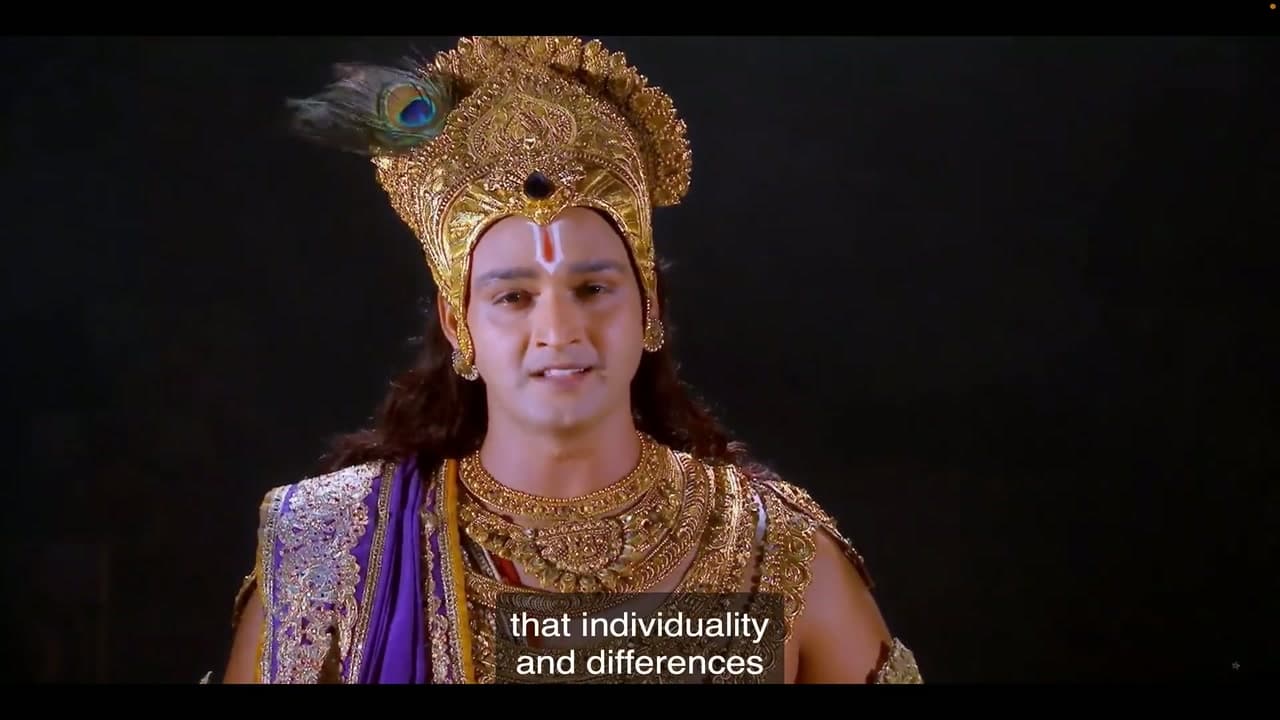
Human society has always given women exploitation, injustice, and dishonor. Cast your eyes upon all that is around you, look upon history, and this alone will appear: that women bear the fruit of men's envy, greed, ego, and enmity — of all these base impulses. Man wages the war, and forces its cost upon the women of the vanquished city.
The questions this teaching puts
Reflect, and it will appear clearly that, set beside men, women suffer far more sorrow — what manner of society have we built, in which one half of humankind ceaselessly crushes the other half?
But how can a society that gives its women sorrow ever give birth to a whole future and to happy children?
Chapter 29 — How Society Has Treated Women
Chapter 29 of 35 — a single teaching, 4 min in total.
Tags
The women of the epic, and how they are treated.
The Mahabharat is unusually direct about this, and it does not flatter the society it describes. Draupadi is staked and dragged into an assembly that will not answer her question. Amba is refused a marriage and cannot get redress from anyone. Kunti carries a secret she is given no safe way to tell. Gandhari blindfolds herself for a lifetime.
What is notable is that the epic gives these women the arguments. Draupadi's question in the hall — whether a man who has already lost himself can stake another person — is never satisfactorily answered by the men present, and the text lets that failure stand as a failure.