Loading
Traditions Ripen Like Mangoes
“Old traditions will break, old empires will fall, a new Dharma will be established, and a new age will begin.”
About this teaching
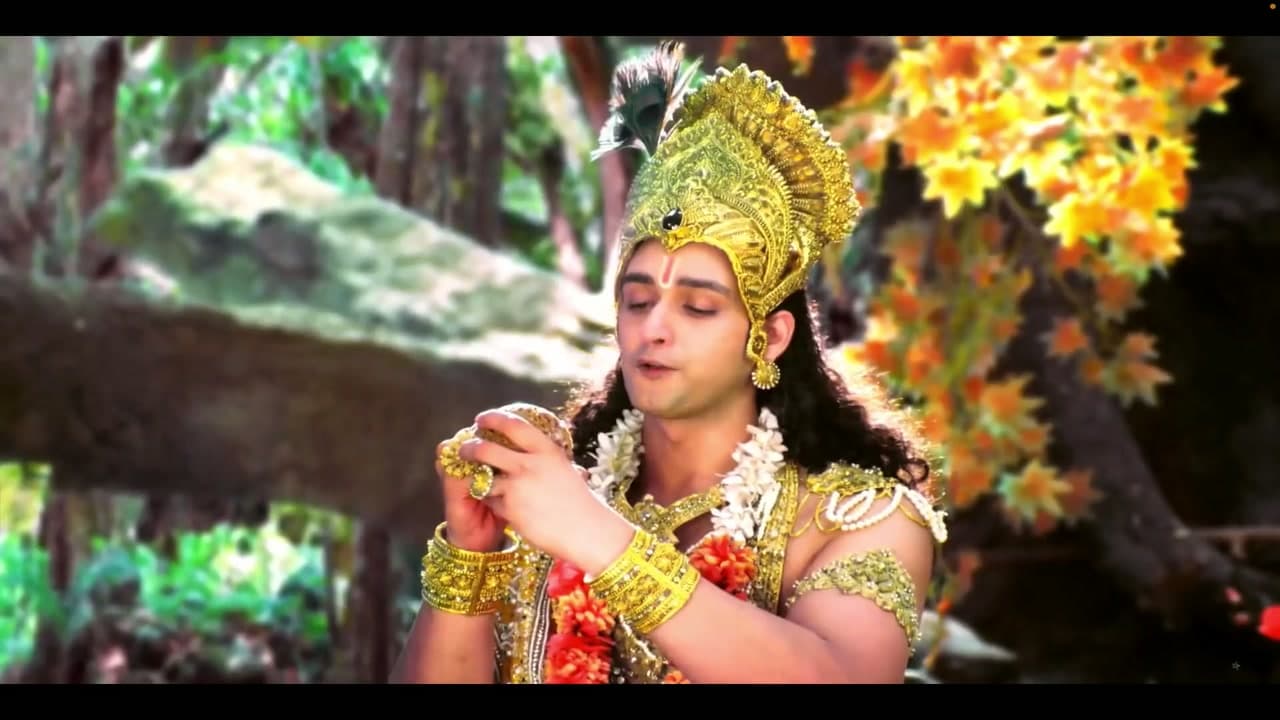
Traditions are like the fruit of the mango tree. At the time of their birth they taste bitter to everyone; a little later they turn sour, and one to whom sourness is dear accepts them; and after some more time they begin to taste sweet and become dear to all. But once a certain time has passed, the fruit rots; a foul smell begins to rise from it, Mahamahim, and whoever draws near is struck with disease; and in the end only the dry stone of the fruit remains, of no use to anyone.
The question this teaching puts
"And who decides which tradition has rotted?
Chapter 28 — Traditions Ripen Like Mangoes
Chapter 28 of 35 — a single teaching, 4 min in total.
Tags
Traditions, and the ones that have gone over.
The Mahabharat is a record of customs at different stages of ripeness. Some are shown working — the obligations of hospitality, the counsel owed to a king. Others are shown having outlived whatever they were for, and the epic is willing to let them be broken: Bhishma's vow is honoured to the letter and is a catastrophe.
The test the story keeps applying is not age but whether the practice still does the thing it was for. A tradition is not defended in the Mahabharat by being old, and it is not dismissed for being old either.