Loading
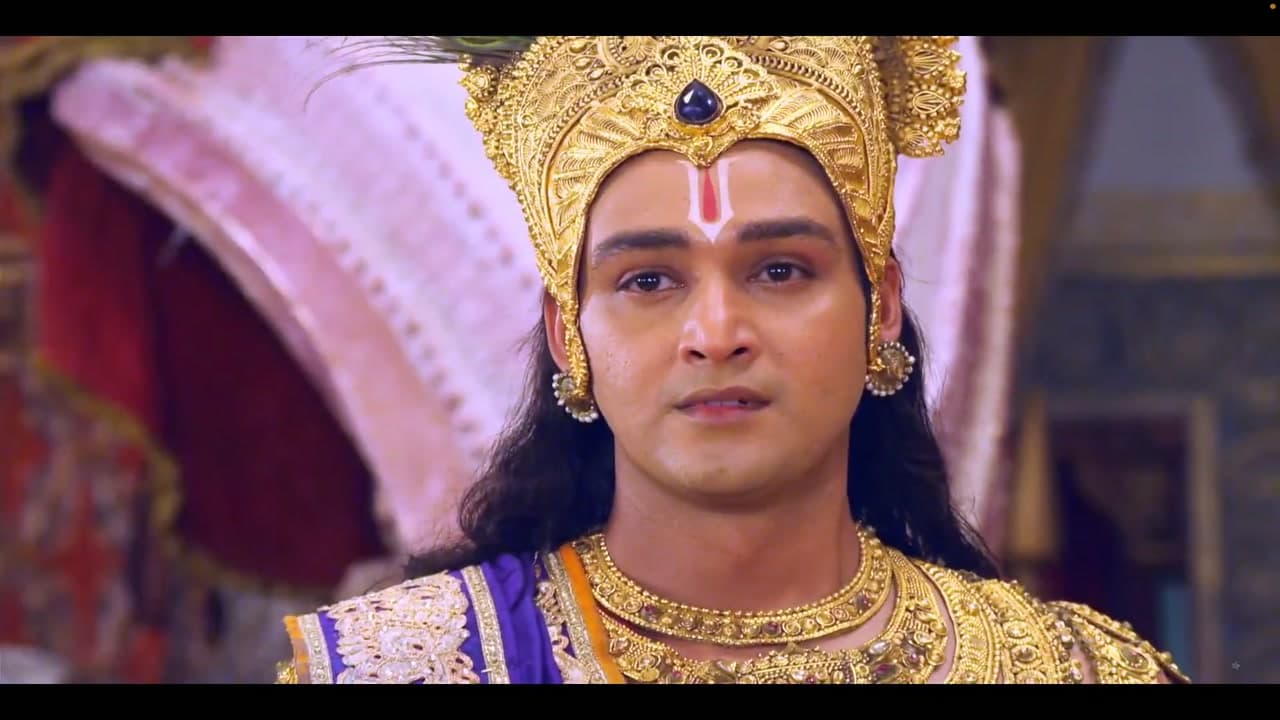
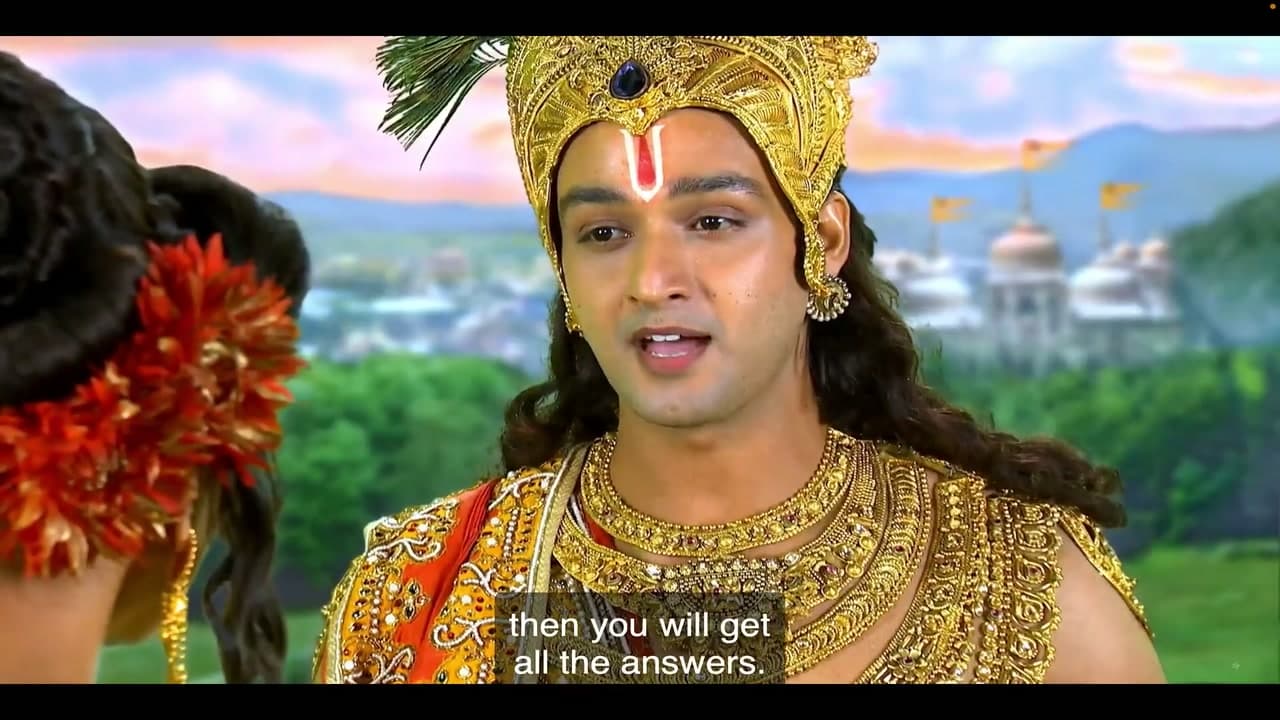
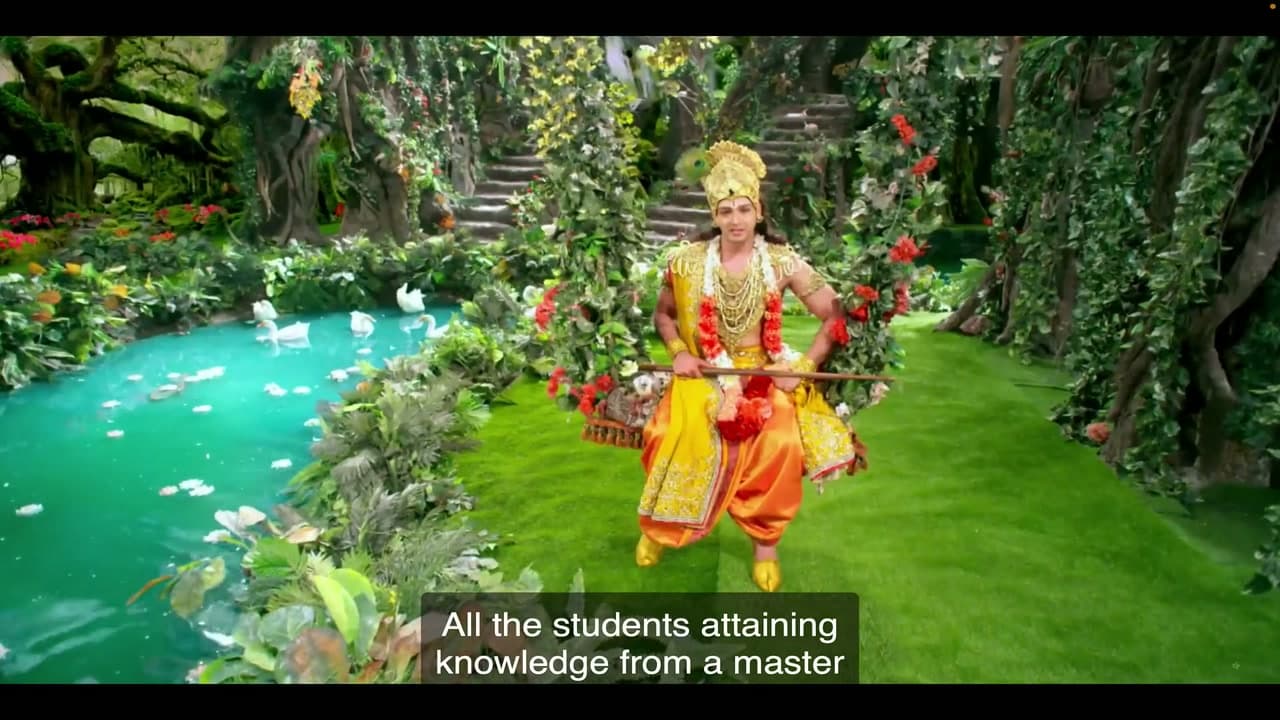
Arjun - Between the Two Armies
1:05:23·1080p·Part 1 of 6·Hindi audio, English subtitles
“Reflect, Partha — have you clenched the fist of ego, or have you formed the cupped palm of surrender?”
About this teaching
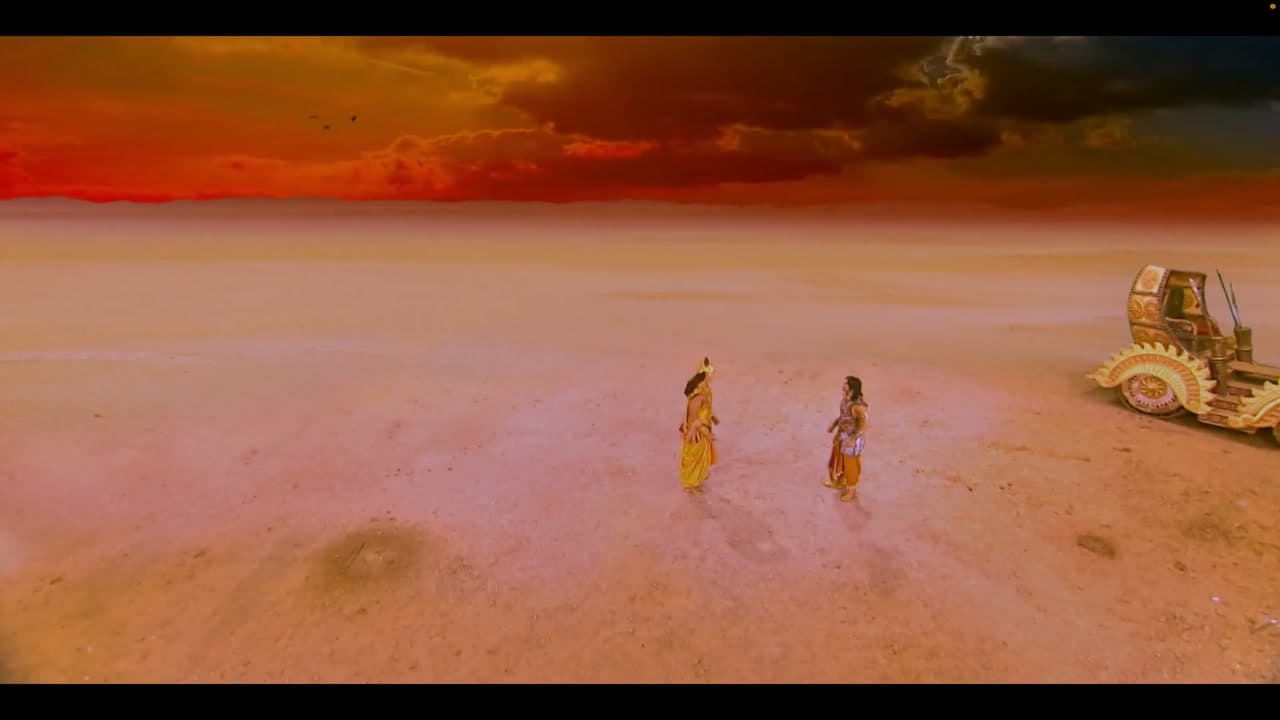
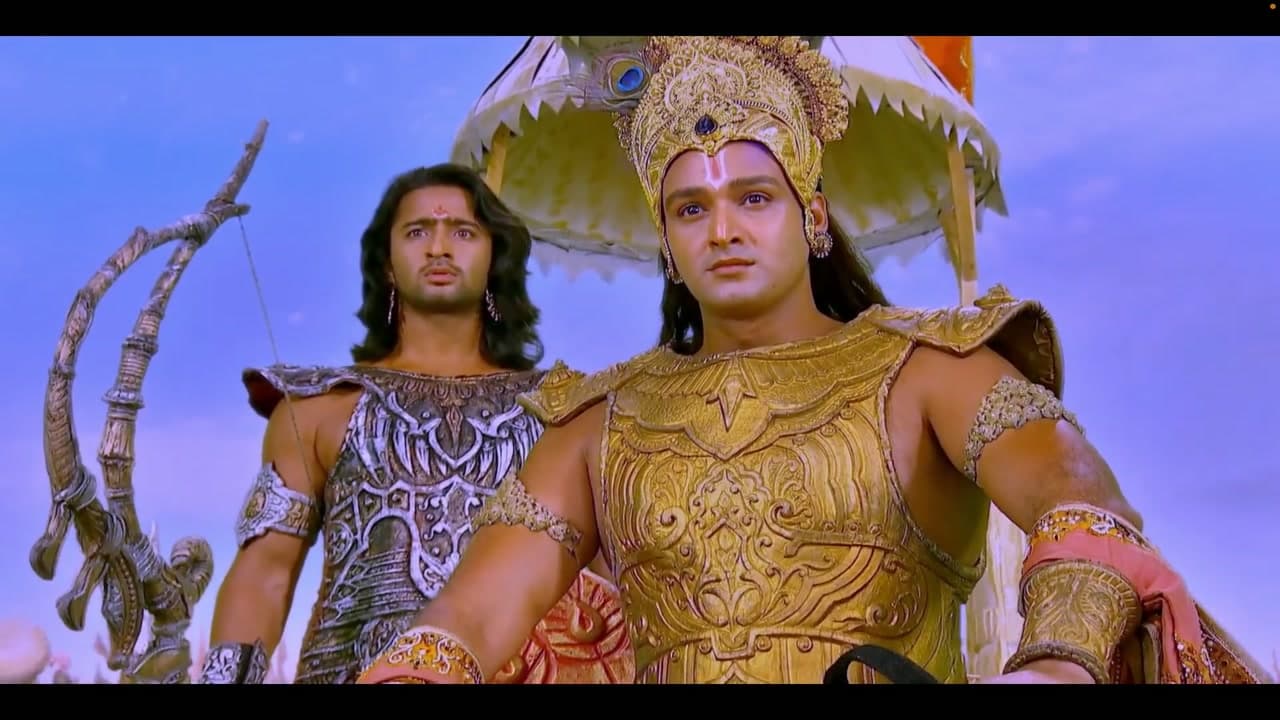
"Before the conch is blown, I wish to survey the armies of both sides. Drive the chariot into the space between the two hosts." "He whose arrow, piercing its mark, would not let him see even the branch of the tree beyond it — why does he today wish to gaze upon the whole field of battle? Arjuna's mind is no longer reaching his heart; the warrior has fallen from wisdom into attachment (moha); thus does he look upon his own kinsmen, his mind full of the thought of his own.
Drawn from the teaching's own words — auto-transcribed and translated. The full transcript is further down.
The questions this teaching puts
Drive the chariot into the space between the two hosts." "He whose arrow, piercing its mark, would not let him see even the branch of the tree beyond it — why does he today wish to gaze upon the whole field of battle?
Reflect, Partha — have you clenched the fist of ego, or have you formed the cupped palm of surrender?
Therefore cast off your weakness and make yourself ready for this war." "What is this world, Partha?
Asked in the teaching itself, in its own words — not a summary.
Chapter 32 — Bhagavad Gita
Chapter 32 of 35 — 6 parts, 2 h 03 m in total.
Tags
- the soul
- Arjuna
- karma
- devotion
- knowledge
- dharma
- Mahabharat
The Bhagavad Gita, and the five men whose choices frame it.
Seven hundred verses spoken between two armies, in the pause before the first arrow. Arjuna asks the questions any honest person would ask; Krishna answers across eighteen chapters that move from grief, through duty and action, to devotion.
This chapter is the longest in the library by a wide margin, and it approaches the Gita through the people around it — Arjuna, who cannot lift his bow; Bhishma, bound by a vow made for someone else's happiness; Drona, a teacher on the wrong side; Karna, who knows the truth of his birth too late to act on it; and Shakuni, who spent a lifetime on a revenge nobody else remembered.
Each is a different answer to the same question: what do you do when your duty, your loyalty and your conscience point in three directions?
Terms you'll hear
- Nishkama karma
- Action without attachment to its result — the Gita's central practical teaching.
- Sthitaprajna
- One of settled wisdom; the Gita's portrait of a mind that fear and craving no longer move.
Background on the theme of this chapter, not a summary of this particular clip. Watch it for what Krishna actually says.
Transcript
English translation
"Before the conch is blown, I wish to survey the armies of both sides. Drive the chariot into the space between the two hosts." "He whose arrow, piercing its mark, would not let him see even the branch of the tree beyond it — why does he today wish to gaze upon the whole field of battle? Arjuna's mind is no longer reaching his heart; the warrior has fallen from wisdom into attachment (moha); thus does he look upon his own kinsmen, his mind full of the thought of his own. You had said you would take my chariot where it ought to go — now, will I be able to cast off my weakness?" "Listen, Partha. Know the secret of life; understand the true nature of the world. If you thrust a clenched fist into the current of the Ganga and draw it out, you gain nothing; but if you make of that same hand a cupped palm (anjali) and dip it into the flow, the water of the Ganga can reach your lips. Reflect, Partha — have you clenched the fist of ego, or have you formed the cupped palm of surrender? Only thus will you be able to receive this knowledge. So that the generations to come may attain Dharma, it is imperative today to destroy the unrighteous and establish Dharma anew; and the duty of establishing Dharma is yours. Therefore cast off your weakness and make yourself ready for this war." "What is this world, Partha? Man, demon, beast, bird, creature, insect, fish, tree — how are all these formed? From what substances are they born; how do they move, how do they live, how do they die, and what befalls them after death? Reflect upon this mystery. The human body is made of earth, Madhava; water flows within it as blood and the rest; fire gives the body its warmth; and in the body's hollow places, space (akasha) appears. That is, earth, air, water, fire, and space — from these five great elements (pancha mahabhuta) alone is the body built. So Mahamahim Bhishma, Guru Drona — they are nothing more than earth, water, air, fire, and space. The knower of Dharma is a joining of the five elements, and so too is the unrighteous man. For what, then, do you grieve, Partha — for clay?" "But Madhava, it is through this body of clay that human beings come to know one another; all relationships are formed through this body of clay." "No, Partha. Were that the truth, why would the body be destroyed after death? In truth, a person is not known by his body, nor is the ground of relationships his body. A person's nature, his conduct, and his deeds are his true identity. How are this nature, this conduct, and these deeds formed? Understand this, Partha. Human life is but the union of twenty substances, visible and invisible, Partha; yet the nature and the deeds of every person appear different. The cause of this is the three qualities (gunas) of creation: tamas, rajas, and sattva." "What are the three gunas, Mother?" "To pass one's life without thought of good or bad is called tamasic conduct — as beasts and birds live, only to fulfil their bodily desires. Sattva means the light of knowledge: when a person acts in every situation with regard for Dharma, for truth, and for tradition, his life is called sattvic. Between these two stands the person who has knowledge yet is bound also to the desires of body and mind; such a person lives in a state of rajas — that is, filled with ego. From the mingling of tamas, rajas, and sattva in greater or lesser measure is a person's nature formed. Look before you, Partha — which qualities do you see in each of these? Prince Duryodhana knows Dharma but does not uphold it; the center of his life is ego — in him tamas is little, rajas is great, and sattva is not much. And here, Prince Dushasana has always obeyed his elder brother's command without a thought — in him there is only tamas. Look at Mahamahim Bhishma too, Partha: in him sattva is mingled with tamas; there is no ego, but he is bound to ancient beliefs, to old traditions, and to his vow, so that even when he must, he cannot break it. Look at Guru Drona: in him are both knowledge and ego. Knowledge grants a man liberation, but his ego will not let him be free." "But Madhava, if a person's nature is a mingling of these three gunas, then his conduct is already determined — the lion will surely eat the deer, and the deer will surely be afraid. Then why is there praise for good conduct? Why is there punishment for wrongdoing? What is a person's own responsibility?" "An excellent question, Partha. But first know what a human being is. A human being is not merely the five great elements, not merely five substances, nor merely the five senses of perception, the five organs of action, and the three gunas — not merely a joining of such swift things. To move about and to act, a person needs power (shakti), and that power is called consciousness (chetana)." "Then, Madhava, is a person this consciousness?" "No, Partha. The name for the union of a person's consciousness with those elements is prakriti — material nature. And the one who dwells within this instrument called man, made of twenty substances — the purusha, that is, the fragment of the Supreme Self (Paramatma) — is called the soul (Atman). When prakriti and purusha unite — that is, when a fragment of the Supreme Self dwells in the body as the soul — then a person is alive." "What is this soul, Madhava, and what is the way to know it?" "As a person uses a chariot, so the soul uses this instrument called the body; through the body it experiences the body's joys and sorrows. But the soul is not the body, Partha. The body can be destroyed, but the soul cannot. Nainam chhindanti shastrani nainam dahati pavakah, na chainam kledayanty apo na shoshayati marutah — the soul cannot be cut by weapons, nor burned by fire; water cannot wet it, nor wind wither it. Dwelling within the body, the soul is yet immortal. Na hanyate hanyamane sharire — the body can be slain, Partha, but the soul cannot. The soul is all-pervading, unmoving, steadfast, eternal (sanatana). As a person casts off a worn garment and puts on a new one, so the soul casts off the old body and, again and again, takes on a new one." "But Madhava, I experience the world only through my body. Knowing myself as the body, how can I know myself as the soul?" "To know yourself as the soul is not impossible, Partha. The blind live, the mute live, those without hands or feet live too — clearly, the body is not the man. One whose consciousness departs, one who falls into a faint, still lives — so clearly, a person's conscious essence is also not the body. In the same way, the one who searches within — 'I am not the senses, not the body, not the emotions, not the thoughts; I am not even knowledge itself' — the one who goes on understanding thus comes, in the end, to know himself as the soul." "And what is the soul's task, Madhava?" "When prakriti divided and became purusha and prakriti, the purusha — the fragment of the Supreme Self — dwelt as the soul in every thing of nature. Attachment and darkness enveloped that soul; but to awaken from that sleep of attachment and to know oneself as a fragment of the Supreme Self — this is the soul's duty, its aim, and the very essence of its life." "But Madhava, if every soul is a fragment of the Supreme Self, then is it the Supreme Self himself who works its rise and its fall?" "As a jewel lying in the mud does not shine, so the soul, fallen among the twenty-four substances of prakriti, forgets that it is a fragment of the Supreme Self. Most souls take their body to be everything; they never come to know that they are distinct from the body. The joys, sorrows, tastes, and smells that the body experiences, the soul takes to be its own, and it makes no effort to change. The souls that make no effort to change, that go on ceaselessly committing unrighteousness — to awaken them, punishment becomes necessary. Know this, Partha: that you are not the body, but only a soul. Every warrior you see upon this battlefield is not what you take him to be. For a while these have dwelt in bodies; their bodies will die, but they are all immortal, and will take on new bodies. Until they come to know themselves as the pure soul, until they forsake unrighteousness and take root in Dharma, they will go on being born and dying. This is the first lesson of the knowledge of Brahman, Partha: whatever is born must surely die, and whatever dies must surely be born again. This great knowledge is called Sankhya Yoga." "What are Dharma and Adharma, Madhava?" "The path by walking which a person sees himself as the soul, and knows himself as a fragment of the Supreme Self — that path is called Dharma. When a person comes to know himself as a fragment of the Supreme Self, he realizes that this creation is itself the Supreme Self, and this Supreme Self is itself the creation; between creation and the Supreme Self there is no difference. Then he no longer turns harsh toward other people and creatures. He knows that when the tongue is bitten, the pain is felt not by the tongue alone but by the whole body; in the same way, when one person suffers, the whole world feels that suffering. As long as even one person in the world is in pain, no one's happiness is truly complete. When, knowing this, a person's heart fills with compassion (karuna) — that is called Dharma. When the quality of tamas overshadows a person, he grows harsh, cruel, and selfish toward others; for the sake of his own supposed happiness he gives sorrow to others, and cannot move toward the Supreme Self. This is Adharma." "The movement of all creation should ever be toward the Supreme Self. But sometimes such a state arises that ignorance, attachment, and unrighteousness grow great, and there arises the danger that Dharma will vanish from the world. When Dharma vanishes from the world, compassion too is destroyed, and truth too is destroyed. So that the coming generations may attain Dharma, it is imperative today to destroy the unrighteous and establish Dharma once more. Even now such a state has come to pass, Partha, and the duty of establishing Dharma is yours. Therefore cast off your weakness and be ready for this war." "But there will be killing at my hands, Madhava; lives will be lost because of me. Will the compassion within me not be destroyed? And if the foundation of Dharma is compassion, will my soul then not turn unrighteous?" "The bondage of karma is surely created, but the bondage of mere action is not, Partha. You must know the difference between karma and action. All karma is action, but not all action is karma. Karma is that action which one performs joined to the hope of its fruit; then one is bound by the fruit of the deed. When a deed is done in the hope of its fruit, it is called sakama karma yoga; and when a deed is done without any hope of its fruit, it is called nishkama karma yoga. It is because of attachment to the fruit that one must be born again and again. In truth, no deed binds a person; it is the hopes attached to the deed that bind him. And I — all this has come to pass in every age, and will go on coming to pass. When you attain the knowledge of the Self, Partha, you will find yourself joined to me; then you too, like me, will see yourself as the Supreme Self. But to attain that state, complete surrender to me is imperative." "Surrender (samarpan) is the name of that state of mind in which a person casts off all his resolves, takes no decision or vow of his own, and does only such deeds as are given to him. In truth, surrender means offering one's intellect, knowledge, desire, and hope — one's feelings, one's very all — to another; and such surrender is called devotion (bhakti)." "A wife's surrender is toward her husband; a warrior's surrender is toward his commander; in a disciple's heart there is devotion to the Guru. Are all these devotions the same? Do all of them attain God?" "No, Partha. A person begins to take the very form of the one to whom he surrenders; no doubt, no question arises in his mind toward that one. And so surrender to a wicked person corrupts that man's own deeds. Angaraj Karna, though he knew Dharma, spoke cursed words to Panchali in the hall of dice — that a woman who keeps relations with five husbands is a harlot. The cause of this was Angaraj's surrender to his brother Duryodhana. The punishment he will receive in this war is not for any birth or caste. With an iron chain a criminal is bound; with a brass chain the temple lamp is held; and a chain of gold is fashioned into an ornament and worn about the neck. Devotion to a husband, devotion to a master, devotion to a friend — there are many such devotions, Partha, but the highest of all is devotion to the Supreme Self." "What relation has devotion to the Supreme Self with Sankhya or with Karma Yoga?" "Through Sankhya Yoga a person knows himself as the soul; through Karma Yoga he is freed from the bonds of life; and through devotion (bhakti) a person attains the knowledge of the true form of the Supreme Self. By the knowledge of the Supreme Self a person is freed from the rounds of birth and death and attains the state of Sacchidananda — being, consciousness, and bliss. Merging into the Supreme Self, he himself becomes the Supreme Self — as a tiny drop of water, on meeting the ocean, itself becomes the ocean." "Then this body has no importance at all, Madhava?" "It surely has importance, Partha. It is through the body that a person gains the direct vision of the Supreme Self. In the interval between death and new birth, the soul's knowledge cannot grow. Carrying the attainments, experiences, knowledge, thoughts, and practice gained in this life, the soul takes on a new body. The soul's rise and fall are possible only while it dwells in a body." "But Madhava, by slaying the men present here, will we not destroy the very possibility of their redemption?" "Our enemies have already broken the bounds of Dharma, Partha; unrighteousness has become their very nature. Their redemption is now impossible. A wrongdoer can be granted the chance of redemption only up to a limit. I forgave the ninety-nine offenses of Shishupala, but after the hundredth it became necessary to punish him. If a wrongdoer is left free to go on doing wrong, his downfall only grows the greater. To stop him from unrighteousness is itself compassion, Dhananjaya. These souls will indeed die; casting off the body defiled by unrighteousness, they will take on new bodies, and in those bodies the possibility of their progress will be greater. If you fight with this understanding, it is right." "A person's body is his wealth, and also his sacred bound (maryada). The person who journeys upon the path of Dharma purifies his body, and through it gains the direct vision of the soul. This is called the relation of the field and the knower of the field — kshetra and kshetrajna." "I did not grasp its meaning, Madhava." "When a person comes to know that his body is a piece of ground — that is, a field (kshetra) — and that the one who dwells within the body and understands it is the knower of the field (kshetrajna), then through the body he is able to accomplish his progress. Dwelling in the body, the soul balances the three gunas, works to lessen tamas and to increase sattva, and, by devotion to God, becomes one with the Supreme Self." "How is devotion performed, Madhava? Is surrender not itself devotion?" "No, Partha. Surrender is only the first step of devotion. In truth, devotion is not the name of any act; it is only the name of a state of mind. It is needful that a person, through sacrifice (yajna) and offering, through the yamas and niyamas, through yoga and self-study (svadhyaya), purify his inner being and remain surrendered to the Supreme Self — that he go on offering all his deeds, the fruits of all his deeds, and every breath of his life to the Supreme Self." "If devotion is only a state of mind, then what is the importance of ritual worship and the rest, Madhava?" "As a vessel cleaned today grows soiled again tomorrow, so a person's mind turns away from the Supreme Self again and again. Therefore it is needful that, through worship and self-study and the like, he continually remind himself that his life is surrendered to the Supreme Self. It matters not upon which bank one takes the plunge; what matters is the plunging itself. This is one part of bhakti yoga, Partha — that a person, having offered his life to the Supreme Self, go on in devotion, and keep safe the wealth endowed with the quality of sattva." "What is called the wealth of sattva?" "Ahimsa satyam akrodhas tyagah shantir apaishunam, daya bhuteshv aloluptvam mardavam hrir achapalam, tejah kshama dhritih shaucham adroho natimanita — bhavanti sampadam daivim abhijatasya bharata. To do violence without cause and for selfish ends is unrighteousness, Partha; in truth, non-violence (ahimsa) is the supreme Dharma. And with it: truthfulness, freedom from anger, renunciation, peace of mind, freedom from slander, compassion, non-attachment to pleasures, gentleness, modesty, steadiness, vigor, forgiveness, purity of body, steadfastness in Dharma, and freedom from pride — these many virtues are called the wealth of sattva, the divine wealth (daivi sampad), which belongs to one born to a divine destiny, O Bharata. By these a person becomes able to worship the Supreme Self — that is, me." "What is your form, Madhava? You had said that here, in every place, there is no man but only the Supreme Self. I wish to behold that form of the Supreme Self, Madhava; grant me the vision of your imperishable form; destroy all my doubts, and grant me that vision, Madhava." "Behold, Partha: from yoga arises Karma Yoga; from Karma Yoga, Bhakti Yoga; and from Bhakti Yoga, the attainment of Jnana Yoga. To behold my universal form is itself true knowledge, Arjuna — this one knowledge in which all the knowledge and all the sciences of the world are contained. Such a true form, which is not easily attained, I now show you, Arjuna. I dwell in every particle of the earth, and this earth, the sun, the moon, the constellations, and the fields of stars dwell within me. I am the whole; I am the living being (jiva), and I am Shiva. Among letters I am the syllable 'A'; among the Vedas, the Sama Veda; among the gods, Indra; among living beings, consciousness; among the yakshas, Kubera; among the Rudras, Shankara; among the Vasus, fire; among mountains, Meru; among sages, Bhrigu; among sacred sounds, Om; among sacrifices, silent prayer (japa); among trees, the sacred peepal; in the intellect, memory, wisdom, steadfastness, and forgiveness; I am fame itself; among the gandharvas, Chitraratha; among the divine sages, Narada; among the ascetics, Kapila; among horses, Uchchaihshravas; among elephants, Airavata; among beasts, the lion; among birds, Garuda; among men, the king; among weapons, the thunderbolt (vajra); among cows, Kamadhenu; among serpents, Vasuki and Shesha; Yama the lord of death, Varuna the god, and the wind — all these am I. Lord Rama, the sacred Ganga; the beginning, the middle, and the end of creation — I am these too. The supreme knowledge, Mahakala, and Brahma; splendor, victory, being, faith, charity, power, statecraft, silence, and the knowledge of the essence — all these am I. I am Vasudeva; I am Arjuna; I am Veda Vyasa. There is nothing that I am not; there is no place where I am not. I am time itself, and I am life and death. Standing here, I have become the death of all the men gathered upon this field. Even if you do not raise your weapon, I shall slay them all. Therefore cast off attachment, and look upon your duty. Take up the burden of Dharma; raise the Gandiva, fix your arrow, and fight, Arjuna — fight!" "O Madhava, O Madhusudana, today all my doubts are destroyed. I pray you, return to your human form. I shall obey your every command. Karishye vachanam tava — I shall do as you say." Losing nothing and gaining nothing, by the power of yoga-maya he had established, in a single moment, in the mind of Arjuna, son of Pandu, that knowledge of Brahman which even words cannot fully hold. "Maharaj, it seems to me that I too have been purified by this knowledge. It is no wonder, Maharaj, that Arjuna, the son of Pandu, has taken up his Gandiva with all his spiritual power and resolve."
हिन्दी — as spoken
मैं शंखनाथ से पहले दोनों पक्षों की सेनाओं का नरिक्षन करना चाहता हूँ, रत को दोनों सेनाओं के मद्ध में ले चली। कि आग बींधते हुए विक्ष की डाल तक नहीं दिखाई देती, वो आज, इस तमें, समग्रे रनभूमी को क्यों देखना चाहता है। कि आग बींधते हुए विक्ष की डाल तक नहीं देखाई देखना चाहता हुए, वो आज, समग्रे रनभूमी को क्यों देखना चाहता है। कि आग बींधते हुए विक्ष की डाल तक नहीं देखाई देखना चाहता हुए, वो आज, समग्रे रनभूमी को क्यों देखना चाहता है। कि आग बींधते हुए विक्ष की डाल तक नहीं देखाई देखना चाहता हुए, वो आज, समग्रे रनभूमी को क्यों देखना चाहता है। मांदम अंकार्थ मेरे रिद्ध तक पहुंचे नहीं रहा है विरामन मोह से गिरा हुआ है इस प्रकार अपने दर्शन करते हैं विरामन अपनों के विचार से भरा हुआ है इस प्रकार सारे संसार का विचार का आपने कहा था कि आप मेरे रत को उचित उचित अपनी निर्बलता का त्याग कर पाऊंगा सुनो पार्थ जीवन का रहस्य जान संसार के वास्तविक रूप को समझ हो गंगा के प्रवाह में मुठी डाल कर निकाली जाए तो कुछ प्राप्त नहीं होता किंतु उस हदेली की अंजुली आकर गंगा के प्रवाह में डाली जाए तो गंगा जल मुख तक पहुंच पाता है विचार हरुपार अहंकार की मुठी बांदी है या समर्पण की अंजुली बनाई है तुमने इस ज्ञान को ग्रहन कर पाओगे आने वाली पीडियों को धर्म प्राप्त हो सके इसके लिए आज धर्मियों का नाश करके धर्म की पुन्ह स्थापना करना अनिवार है और धर्म स्थापना का कर्तव्य तुम्हारा इसलिए निर्वलता का क्याग कर और इस युद्ध के लिए सच हो जाओ अहंकार की मुठी बांधी है या समर्पण की अंजुली बनाई है तुमने इस ज्ञान को ग्रहन कर पाओगे ये संसार क्या है पार्थ मानव, दानव, पशु, पक्षी, जन्तु, कीटक, मत्से, व्रिक्ष ये सब कैसे बनते हैं इन पधार्थों से इनका जन्म होता है, कैसे चलते हैं, कैसे जीते हैं, वृत्यू कैसे होती है इनकी और वृत्यू के पश्चात क्या होता है, इस रहस्य का विचार करो मनुष्य की देह मिट्टी से बनी है मादर, जल उसमें रक्त आदी बनकर प्रवाग करता है अग्नी देख को तापमान देती है, और देह में प्रिक्ष स्थानों में आकाश प्रकट होता है अर्थात धर्पी, वायू, जल, अग्नी और आकाश, इन पंच महा भूतों से ही शरीर का निर्मान होता है अर्थात महा महीम, गुरु द्रोण, पृत्वी, जल, वायू, अग्नी और आकाश से अधिक कुछ भी नहीं धर्म ग्यानी भी पंच महा भूत का जोड़ है, और अधर्मी भी, तो मोह किसका कर रहे हो पार्थ, मिट्टी का परन्तु माधव, इस मिट्टी के देह से ही तो मनुष्य एक दूसरी का परिचे पाते हैं, सारे संबंद इस मिट्टी के देह से ही तो होते हैं नहीं पार्थ, यदि ये सत्य होता, तो मिट्टी के पश्चात देह को नष्ट क्यों किया जाता है, वास्तव में, ना मनुष्य का परिचे उसकी देह से है, और ना ही संबंदों का अधार उसकी देह से है मनुष्य का स्वभाव, उसके बर्ताव, और उसके कार्य उसका परिचे, ये स्वभाव, बर्ताव और कार्य कैसे बनते हैं, इसे समझो पार्थ मनुष्य जीवन केवल बीस द्रिश्य और अद्रिश्य पदार्थों का मेल है पार्थ किन्तु फिर प्रतेख मनुष्य के स्वाभाव तथा कारे भिन भिन प्रतीत होते हैं इसका कारण है स्थिरिष्टी के तीन गुण तमस, रजस और सत्य तीन गुण क्या है माता? इसकार विना अच्छे बुरे का विचार किये जीवन व्यतीत करने को तामसिक वेहवार कहा जाता है जैसे पशु पक्षी जीते हैं केवल अपनी शारीरिक इक्षाओं को पून करने के लिए सत्व का अर्थ होता है ज्यान का प्रकाश जब व्यक्ति प्रतेक परिस्थिति में धर्म का, सक्ते का और परंपराओं का विचार करके वेहवार करता है तब उसे तात्विक जीवन कहा जाता है इन दोनों के मध्यमें ऐसा व्यक्ति होता है जिसके पास ज्यान तो है पर शरीर और मन की इक्षाओं के साथ बंदा हुआ भी है ऐसा मनुष्य रजस अर्थात अहंकार पून मनस्तिती के साथ जीता है तमस, रजस तथा सत्व गुणों के अधिक या कम मात्रा के मेल से ही मनुष्य का स्वभाव बनता है सामने देखो पार्थ इन सब में तुम्हें कौन से गुण दिखाई देते हैं युवराज दुर्योधन धर्म जानते हैं परन्तु वहन नहीं करते हैं उनके जीवन का केंद्रा हंकार है अर्थात उनमें तमस कम है रजस अधिक है और सत्व गुण उनता नहीं और इस ओर राजकुमार दुशासन इन्होंने सदेव अपने जेश्ट रता का अदेश माना है बिना विचारी अर्थात इनमें केवल तमस है महा महीम को भी देखो पार्थ तत्व के साथ तमस का मेल है अहंकार नहीं है किन्तु पुरातन भर्ब पुरानी परंपराओं और प्रण के साथ बंदे है आविशक्ता होने पर भी अपना प्रण नहीं तोड़ सकते गुरु द्रोण को देखो ज्यान और अहंकार दोनों ही है ज्यान तो मनुष्य को मुक्ती दिलाता है किन्तु इनका अहंकार इन्हें मुक्त नहीं होने देता परंतु माधव यदि यदि मनुष्य का स्वभाव इन तीन गुणों का मेल है तो फिर मनुष्य का व्यवहार पहले से ही निश्चित ही हिरन को खाएगा ही और हिरन भी सभयवीत ही होगा तो था उ सुधरूम की प्रशंसा क्यों है है अप्राद का दंड क्यों है को उसका क्या कात्म है उत्तम प्रश्न है पाय Lav यह तू पहले मनुष्य क्या है यह तो जानलो कि मनुष्य केवल 5 महा भूत नहीं 5 पदार्थ नहीं आप 5 यादी या पांच कर्मेंद्रियां तथा तीन गुण ऐसी तेज वस्तुओं का मेल भी नहीं मनुष्य को चलने फिरने तथा कारे करने हेतु शक्ती की आविशक्ता होती है और शक्ती को चेतना कहते हैं तो क्या माधव मनुष्य इसकी चेतना है नहीं पार्ट, मनुष्य की चेतना के साथ उन तेज वस्तुओं के मेल का नाम प्रग्रती है जोबिस वस्तुओं से बने मनुष्य नामक यंत्र में वास करता है पुरुष अर्थाद परमात्मा का अंश उसे आत्मा कहा गया है जब प्रग्रती और पुरुष का मेल होता है अर्थाद जब परमात्मा का अंश आत्मा बनकर देह में वास करता है तब मनुष्य जीवित होता है यह आत्मा क्या है माधव में और इसे जानने का क्या उपाय मनुष्य जैसे रथ का उप्योग करता है वैसे ही आत्मा शरीर नाम के इस यंत्र का उप्योग करती है चरीर के माध्यम से शरीर के सुख दुख का उपभोग करती है किन्तु आत्मा शरीर नहीं पार्थ शरीर का नाश किया जा सकता किन्तु आत्मा का नाश नहीं किया जा सकता नैनंग छिंदन्ती शस्त्राणी नैनंग दहती पावका न चैनंग ले द्यांत्यापो न शोष्यती मारता आत्मा ना शस्त्रों से छेदी जा सकती और ना ही अगनी से जलाई जा सकती न जल उसे निर्बल कर सकता है और ना ही पवन उसे सुखा सकती आत्मा शरीर में रहते हुए भी अमर है नहन्यते हन्यमाने शरीरे बार्थ शरीर की हत्या की जा सकती है किन्टु आत्मा की हत्या नहीं की जा सकती आत्मा तो सर्व व्यापी है अचल है स्थिर है सनातन है पुराना वस्तर त्याग कर जैसे मनुष्य नया वस्तर धारन करता है वैसे ही आत्मा पुराना शरीर छोड़ कर बार बार नया शरीर धारन करती है परन्तु माधव मैं तो जगत का अनुभव अपने शरीर के माध्यम से ही करता हूँ स्वेम को देहना जानकर, मैं आत्मा कैसे जान सकता हूँ? स्वेम को आत्मा के रूप में जानना असंभव भी नहीं पार्ट. अंध भी जीते, गुंगे भी जीते, जिनके पास हाथ पैर नहीं होते वो भी जीते. स्पष्ट कि शरीर मनुष्य नहीं, जिसकी चेतना चली जाती है, जिसे मूर्चा आ जाती है वो भी जीवित रहता है. इसलिए स्पष्ट है कि मनुष्य का चेतन तत्व वो भी शरीर नहीं. इसी प्रकार जो व्यक्ति अपने भीतर खोज करता है मैं इंद्रिया नहीं, शरीर नहीं, भावनाई नहीं, विचार नहीं ज्यान ही मैं नहीं जो ये समझता जाता है वो अंत में स्वयम को आत्मा के रूप में जान भी लेता है ये आत्मा का क्या कारे है माधब? जब परग्रम के भाग हुए, पुरुष तता प्रकृति बने तब पुरुष अर्थात परमात्मा के अंच ने आत्मा बनकर प्रकृति की प्रतेक वस्तु में वास किया उस आत्मा को मोह तता अंधकार ने खेर लिया पार उस मोह निद्रा से जागरित होकर स्वेम को परमात्मा का अंच जानना ही आत्मा का कर्तव्य, उदेश्य और जीवनतार रहे परन्तु माधब, यदि हर आत्मा परमात्मा का अंच है तो क्या उननती और अफगती स्वेम परमात्मा कर रहे? जिस प्रकार कीचड में पड़ा रत्न चमकता नहीं वैसे प्रकृती के 24 पदार्थों से गिरी आत्मा को विस्मरन हो जाता है कि वो परमात्मा का अंच है अधिकतर आत्माएं अपनी देह को ही सब कुछ मानती हैं स्वेम देह से भिन हैं ये जान ही नहीं पाती शरीर को जो सुख, दुख, स्वाद, गंध, आधी का अनुभव होता है उसे अपना अनुभव मान लेती है और बदलाव का प्रयास ही नहीं करती है जो आत्माएं बदलाव का प्रेतन नहीं करती हैं निरंतर अधर्म करती रहती हैं उन्हें जागरित करने के लिए दंड देना निवारे है। उन्हें ये जान लो पार्थ, कि तुम शरीर नहीं, केवल एक आत्मा है। इस रण भूमी में दिखाई देने वाला प्रतेक योथा, वो नहीं जो तुम उन्हें मानते हैं। कुछ समय के लिए इन सब ने शरीर में वास किया है, इनके शरीर मरेंगे, किन्टु ये सब अमर, वो पुना नया शरीर धारण करेंगे। जब तक स्वेम को शुदात्मा के रूप में जान नहीं लेंगे, जब तक अधर्म का त्याग करके धर्म में जड़ नहीं होंगे, तब तक ये जन्म लेते और मरते रहें। यही ब्रह्म विद्या का प्रथम पाठ है पार्थ, जो जन्मा है, वो अवश्य मरेगा, और जो मरता है, वो अवश्य फिर से जन्म लेगा। इस महाग्यान को सांखे योग कहते हैं। धर्म और अधर्म क्या है माध्य? जिस मार्ग पर चलकर मनुष्य स्वयं को आत्मा के रूप में देखता है, परमात्मा के अंश के रूप में स्वयं को जानता है, उस मार्ग को धर्म करते हैं। जब मनुश्य स्वैन को परमात्मा के अंश के रूप में जान लेता तब उसे ये अनुखूती होती है कि ये सृष्टी ही परमात्मा है और ये परमात्मा ही सृष्टी है सृष्टी और परमात्मा में कोई भेद नहीं तो मनुश्य ये जान लेता वो दूसरे मनुश्यों और प्राणियों की ओर फिर दै और कठोर नहीं होता वो ये जानता कि जीप बटने से पीड़ा केवल जीप को नहीं होती उसकी अनुभूती समग्र शरीर को होती वैसे एक मनुश्य को पीड़ा होती है तो समग्र संसार उस पीड़ा का अनुभव करता है जब तक संसार में एक मनुश्य भी पीड़ित है तब तक वास्तव में किसी का भी सुक संपूर्ण नहीं जानने पर मनुश्य का मन करुना से भर जाये उसे धर्म कहते है जब किसी पर तमस गुण छाया होता है तो वो दूसरों के प्रती कठोर निर्दई और स्वार्थी हो जाता है अपने माने हुए सुक के लिए दूसरों को दुख देता है परमात्मा की और गती नहीं हो पाती उसकी अधर्म अधर्म अधर्म अधर्म अधर्म अधर्म अधर्म अधर्म अधर्म अधर्म अधर्म अधर्म अधर्म अधर्म अधर्म अधर्म अधर्म अधर्म अधर्म अधर्म अधर्म अधर्म अधर्म अधर्म अधर्म अधर्म अधर्म अधर्म अधर्म अधर्म अधर्म अधर् और दूसरों के प्रतीद सृष्टे की गती सदा ही परमात्मा की ओर हो यनि वारे किन्तु कभी कभी ऐसी स्थिती उत्पन हो जाती कि अज्ञान, मोह और अधर्म बढ़ जाता है संसार से धर्म लुप्प हो जाने का भै उत्पन हो जाता है संसार से जब धर्म लुप्प हो जाता है परुणा भी नष्ट हो जाती है और सत्य भी नष्ट हो जाता है आने वाली पीडियों को धर्म प्राप्त हो सके इसके लिए आज धर्मियों का नाश करके धर्म की पुनह स्थापना करना अनिवार है आज भी ऐसी स्थिति है पार और धर्म स्थाप ना का कर्टव तुम्हारा है इसलिए निर्वलता का ध्याग करो और इस युध के लिए सज पोजाव परन्तु मेरे हाथों हत्याई होंगी माधर मेरे खारण किसी के प्राण जाएंगे मेरे अंतर की करुणा का नाश नहीं हो जाएगा और यदि धर्म का आधार करुणा है तो क्या मेरी आत्मा धर्मी नहीं हो जाएगी कर्म का बंधन अवश्य निर्मित होता है, किन्तु कारे का बंधन निर्मित नहीं होता पार्थ, तुम्हें कर्म और कारे के बीच क्या भेद है, ये जानना अवश्य है, सभी कर्म कारे है, किन्तु सभी कारे कर्म नहीं, कर्म उस कारे को कहते हैं, जिसके साथ फल की आशा जु कर कोई कार्य करता है तो वह सारे के फल से बंद जाता है जब किसी कर्म को फल की आशा से किया जाए तो उसे सकाम कर्म योग कहते हैं और जब किसी कर्म को बिना किसी फल की आशा से किया जाए उसे निष्काम कर्म योग कहते इसी कारण से उसे बार बार जन्म लेना पड़ता है वास्तव में मनुष्य को कोई कर्म नहीं बांधता इस कर्म से जुड़ी आशाएं उसे बांधती है और मैं सब कुछ ऐसा प्रतेक यूग में हुआ है और आगे भी ऐसा ही होता रहेगा जब तुम आत्मज्ञान प्राप्त करोगे पार्थ स्वेम को मुझसे जुड़ा ही पाओगे तब तुम भी मेरी ही भाती स्वेम को परमात्मा के रूप में देखोगे तु उस पत को प्राप्त करने हेतु मेरे प्रती सम्पून समर्पण अनिवार रहे समर्पण मन की ऐसी स्थिति का नाम जब मनुश्य अपने सारे संकल्पों का त्याग कर देता स्वेम से किसी प्रकार के निर्णे अथवा प्रण भी नहीं लेता जिस प्रकार के कारे उसे दिये जाते उसी प्रकार के कारे करता वास्तव में समर्पण का अर्थ होता बुद्धी, ज्ञान, इच्छा, आशा को अपनी भावनाव, अपना सब किसी को अरपन कर देना और ऐसे समर्पन को भक्ती कहते हैं पत्नी का समर्पन पती की ओर हो, एक योद्धा का समर्पन सेनापती की ओर हो एक शिष्य के हरिदे में गुरु भक्ती होती है क्या ये सारी भक्तियां एक समान, क्या सबको इश्वर की प्राप्ती होती है? नहीं पार्ट, मनुष्य जिसके प्रती समर्पित होता है, उसी के रूप में ढलने लगता है, उसके मन में कोई संदेह, कोई प्रश्न जन नहीं लेता, इसी दुष्ट के प्रती समर्पण, उस मनुष्य के कार्यों को दूशित कर देता है, अंगराज कर्ण ने धर्म को जानते हुए भी, द्यूद सभा में पांचाली को अपशप्त कहे थे, ये पांच-पांच पुर्शों के साथ सम्मंद रखती है, वैश्या होती है इस इस्त्रियां, उसका कारण था अंगराज का भ्राता धुर्योधन के प्रती समर्पण, इस युद्ध में उन्हें जो दंड मिलेगा, वो किसी जन या जाती के लिए ने, अथवा एक दुष्� लोहे की माला से अपराधी बांधा जाता है, बीतल की माला से मंदिर के दीपक को बांधा जाता है, और सोनी की माला को आभुशन बना कर गले में धारन किया जाता है, पती भक्ती, स्वामी भक्ती, मित्र भक्ती, ऐसी अनेक भक्तियां होती हैं पार्थ, किन्तु सबसे श्र परमात्मा की भक्ति का सांख्य अथवा कर्म योग से क्या सम्वन्द है सांख्य योग के कारण मनुष्य स्वेम को आत्मा के रूप में जानता है कर्म योग से वो जीवन के बंधनों से छूट जाता है और भक्ति के कारण मनुष्य को परमात्मा के वास्तविक रूप का ज्ञान होता है। परमात्मा के ज्ञान से मनुष्य जनम मरंग के फेरों से छूट कर सचिदानन स्वरूप को प्राप्त कर लेता है। परमात्मा में समाकर स्वेम परमात्मा हो जाता है। जैसे जल की छोटी सी बून जब सागर में मिलती है, तो स्वेम सागर बन जाती है। अर्थात, इस शरीर का कोई महत्व ही नहीं है माधा। अवश्य महत्व है पार्थ, शरीर के माध्यम से ही मनुष्य को परमात्मा का साक्षातकार होता है। वृत्यों और नई जन्म के बीच के समय में, आत्मा के ज्ञान में वृत्धी नहीं हो पाती। इस जन्म में प्राप्त, अनुभव, ज्ञान, विचार और अभ्यास को लेकर, आत्मा नया शरीर धारन करती है। आत्मा की प्रगती और अधुगती शरीर में रहकर ही संभव है। परन्तु माधव, यहां उपस्तित व्यक्तियों का वद्ध करके, क्या हम उनके उधार की संभावना को नष्ट नहीं कर देंगे। हारे शत्रु धर्म की मर्यादा को तोड़ चुके हैं बार्थ, अधर्म ही उनका स्वभाव बन गया है। उनका उधार अब असंभव है। अपराधी को एक सीमा तक ही उधार का आवसर दिया जा सकता है। मैंने शिशु पाल के निम्यानवे अपराधों को प्षमा किया था। किन्तु सो अपराधों के बश्चात उसे दंड देना अवश्चक था। अपराधी को यदि अपराध करने दिया जाए, तो उसका अधिक से अधिक पतन खोता है। उसे अधर्म से रोकने में ही करुणा है धननज़े। ये आत्माएं मरेंगी रहीं। अधर्म से दूशित शरीर का त्याग करके नया शरीर धारण करेंगे। और उस शरीर में उनकी प्रगती की संभावना अधिक होगी। इस विजार से यदि तुम युद्ध करोगे, तो वो उचित है। मनुष्य का शरीर उसकी संपत्ती भी है। और मर्यादा भी, धर्म के मार्ग पर प्रवास करने वाला मनुष्य अपने शरीर को शुद्ध करता है। और उसके माध्यम से आत्मा का साख्षकात करता है। इसी को शेत्र शेत्रज्य संबन्द कहा गया है। मैं इसका तात्परे नहीं जान पाया, मातव। मनुष्य ये जान लेता है कि उसका शरीर एक भूमी का टुकड़ा है अर्थात शेत्र है और वो शरीर में रहने वाला उस शरीर को समझने वाला अर्थात शेत्रग्य है तब वो शरीर के माध्यम से अपनी प्रगती साध पाता है आत्मा शरीर में रहकर तीन गुणों का सम्तोलन करती है तमस्त को घटाकर सत्व को बढ़ाने का उपाय करती है और ईश्वर की भक्ती करके परमात्मा के साथ एक हो जाती है भक्ती कैसे की जाती है माध्यम? क्या समर्पण ही भक्ती नहीं? नहीं पाए समर्पन तो भक्ती का प्रथम चरण है वास्तव में भक्ती किसी कारे का नाम नहीं वो तो केवल मनस्तिती का नाम है आवश्यक है कि मनुष्य जब तब यग्य याग यम नियम योग और स्वध्याय के माध्यम से अपने अंतर को शुद्ध करें और परमात्मा के प्रती समर्पित रहें मनुष्य अपने सारे कारे सभी कारें के फल अपने जीवन का प्रतेक श्वास परमात्मा को समर्पित करता रहें यदि भक्ती केवल मन की स्थिती तो जब तब आदी का क्या महत्व है माद्रि जैसे आज दोया हुआ पात्र कल पुना मैला हो जाता है वैसे ही मनुष्य का मन बार-बार परमाद्मा से विमुक हो जाता है इसीलिए आविशक है कि जब तब और स्वाधाय आदी के माध्यम से स्वयं को निरंतर ये स्मरन दिलाता रहे कि उसका जीवन परमात्मा के प्रती समर्पित है किस तट पर डूपकी लगाई जाए इसका महत्व नहीं महत्व है डूपकी लगाने का भक्ति योग का एक हिसार है पार कि मनुष्य पर्मात्मा को अपना जीवन अर्पण करके पर्मात्मा की भक्ति करता रहे और सत्व गुण से युक्त संपत्ति को संभाल कर रखे सत्व गुणी संपत्ति किसे कहा जाता है अहिंसा सत्यम क्रोध स्त्याग शांति ही पेशुनम दया भूतेश्व लोलुप्त्वम मार्द्वम भीर चापलम देज़ा शमाध्रिती शोचम द्रोहो नाति मानिता भवन्ती संपदम देवी अभिजातस्य भारत बिना कारण तथा स्वार्थ के हेतु हिंसा करना अधर्म है पार वास्तव में अहिंसा ही परम धर्म है और उसके साथ सत्य प्रोध ना करना त्याग मन की शांति निंदा ना करना दया भाव सुक के प्रती आकर्षित ना हुना बिना कारण कोई कारे ना करना देज़ शमा धेरे शरीर की शुद्धता, धर्म का ध्रो ना करना, तथा अहंकार ना करना, इतने गुणों को सत्वगुणी संपत्ती या देवी संपत्ती कहा जाता है। इसी से मनुश्य परमात्मा की, अर्थात मेरी भगती कर पाता है। आपका रूप कैसा है माधव? माधव, आपने कहा था, यहां हर स्थान पर मनुश्य नहीं, केवल परमात्मा है। परमात्मा स्वरूप को तक्ष देखना चाहता हूँ माधव, मुझे अपने अविनाशी स्वरूप का दर्शन दीजे माधव, मेरे सारे संदेहों को नष्ट कर दीजे, उसे दर्शन दीजे माधव। देखो पा, योग से कर्म योग, कर्म योग से भक्ती योग, और भक्ती योग से ज्ञान योग की प्राप्ती होती है, मेरे विश्व रूप का दर्शन करना ही, वास्तविक ज्ञान है अर्जुन, यही एक ज्ञान, जो विश्व में सारे ज्ञानों तथा विज्ञानों का आ सरलता से प्राप्त नहीं होते ऐसा वास्तविक रूप मैं तुम्हें दिखा रहा हूं अर्जुन पृत्वी के कण-कण में वास करता हूं और यह पृत्व सूर्य चंद नकशत्र और तारा मंडल मेरे भीतर वास करते हैं इसके प्रत्येक आदेश का सालन करूंगा मैं ही संपूर्ण मैं ही जीव और मैं ही शिव अक्षरों में आकार वेदों में साम देव देवों में इंद्र प्राणियों में चेतना यक्षों में कुबेर यूद्रों में शंकर वस्वों में अग्नी पर्वतों में सुमेर और रिशियों में रिगु फनियों में ओमकार, यग्यों में जाप, और वृक्षियों में पवित्र बीपल, बुद्धी में स्मृति, मेधा, धृति, और शमा, मैं ही, कीर्ती मैं ही, गंधर्वों में चित्र रत, देवर्शियों में नारत, और मुनियों में कपिल, अश्वों में उच्छे शवा, आथियों में एरावत, और पश्वों में सिंग, पक्षियों में गरुण, मनुष्यों में राजा, और शस्त्रों में वज्र, गायों में काम धेनू, सर्पों में वासुखी, शेषनाग, यमराज, वरुन देव, और वायू भी मैं ही भगवान राम, पवित्र गंगा, सृष्टी में आदी मध्य सता अन्त भी मैं ही प्रम वित्या, महाकाल, और ब्रह्मा, प्रभाव, विजे, सत्व, विश्चे, दन, शक्ति, नीति, मौन, तथा तत्व ज्ञान भी मैं वासुदेव, अर्जुन, वेद व्यास, ऐसा कुछ भी नहीं जो मैं नहीं ऐसा कोई स्थल नहीं जहां मैं नहीं हूँ मैं ही समय हूँ और मैं ही जीवन और मृत्यू हूँ, अर्जुन यहां उपस्थित सभी मनुष्यों की मृत्यू बन कर खड़ा हूँ तुम यदी शस्त्र नहीं उठाओगे तब भी मैं इन सब का वध कर दूँगा इसलिए मोह का द्याग करो और अपने कर्तव्य को देखो धर्म का भार उठाओ गाणीव उठाकर शर्षंधान करो युद्ध करो अर्जुन युद्ध करो हे माधु हे मदुसूधन आज मेरे सारे संदेहों का नाश हो गया कृपि अपने मनुष्य रूप में आ जाए मैं आपके प्रतेक आदेश का पालन करूँगा करिश्य वचनम तवा आसान न खोना कुछ न पाना योग माया से अपूर ब्रह्म विद्या को केवल एक शड में पांड़ पुत्र अर्जुन के मन में इस्थापित कर दिया है महराज मैं भी इस ज्ञान से शुद्ध हो गया हूँ ऐसा मुझे प्रतीत होता है इसमें कोई आश्चर्य नहीं है कि पांड़ पुत्र अर्जुन ने अपनी अध्वशक्ति और संकल्ब के साथ अपने गांडीव को उठा लिया है महराज
Auto-transcribed from the audio; lightly imperfect on Sanskrit names and terms.
What this chapter covers
6 teachings, 2:03:23 in total. The titles are the topics.
Keyboard shortcuts
- Space / K
- Play or pause
- ← / →
- Back or forward 10s
- J / L
- Back or forward 30s
- ↑ / ↓
- Volume
- M
- Mute
- F
- Fullscreen
- , / .
- Speed
- N
- Next teaching