Loading
What Prayer Really Asks For
“In truth, to perform one's action (karma) and yet hold no attachment to life or to its fruit — that alone is true prayer.”
About this teaching
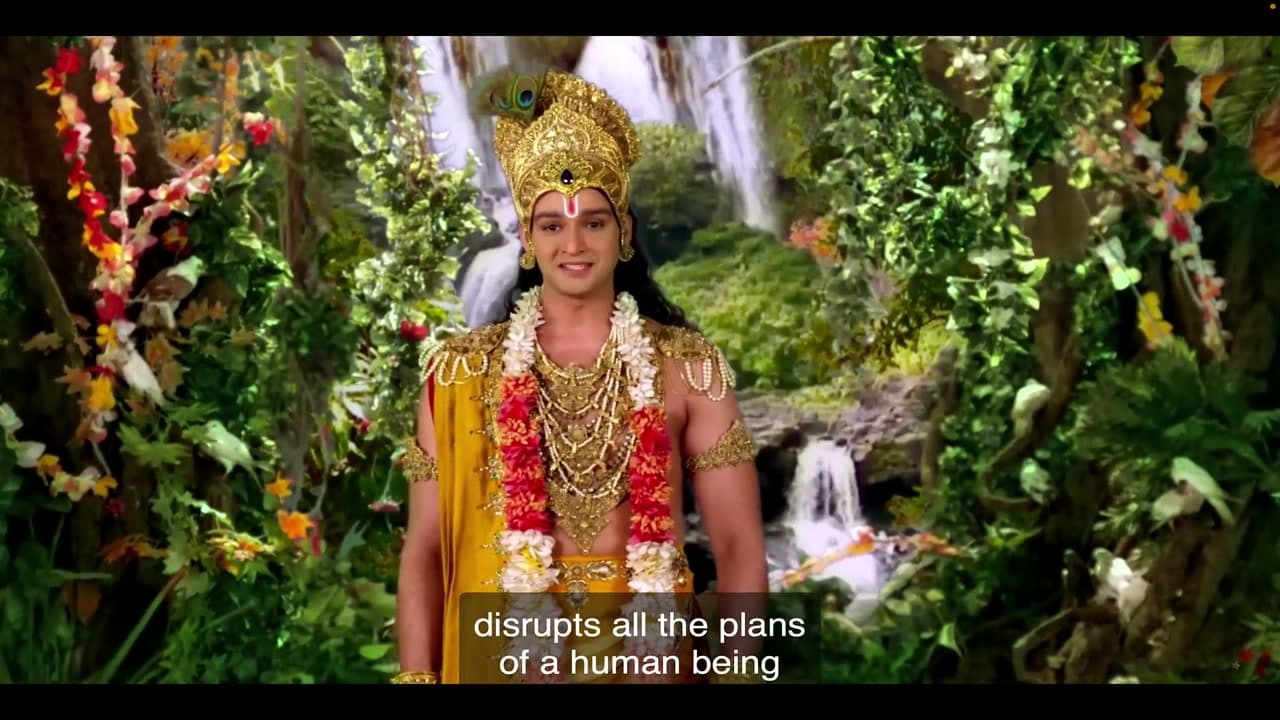
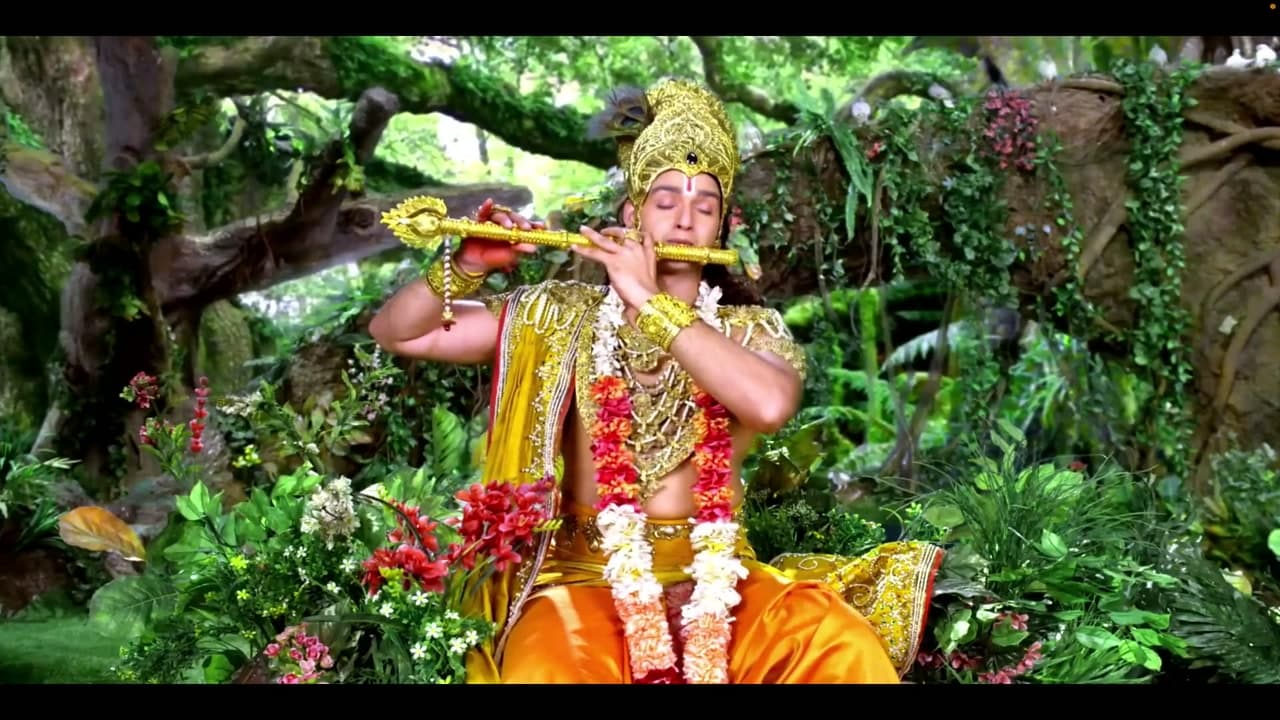
Whenever some dire situation stands before a person, he prays to God (Ishwar), beseeching Him that he may rise out of it. But what is the true nature of this prayer? Have we ever considered it?
The questions this teaching puts
But what is the true nature of this prayer?
Have we ever considered it?
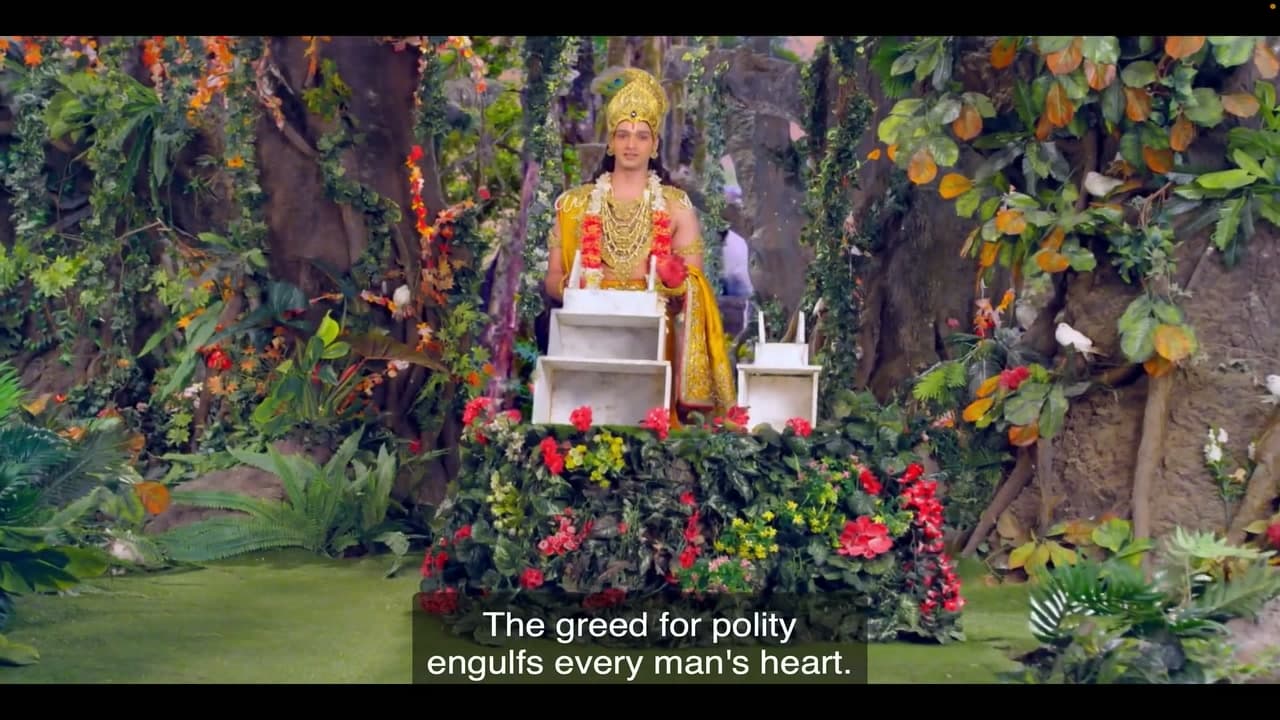
That is, not to fret over what the fruit of one's action (karma) will be, but to do one's Dharma in keeping with Dharma, and to accept God's plan as one's destiny — this is prayer, is it not?
Chapter 18 — What Prayer Really Asks For
Chapter 18 of 35 — a single teaching, 2 min in total.
Tags
What is actually being asked for.
Prayer in the Mahabharat is rarely a request for an outcome. Draupadi's appeal in the assembly is the most famous instance, and what it changes is not the intentions of the men in the room — those are unaltered — but what becomes possible in the middle of them.
The Gita's own treatment is stricter than most devotional literature: it is more interested in the disposition a person brings than in the thing they are asking to receive, and it says repeatedly that acting well matters more than the result acting is aimed at.