Loading
The Meaning of Kanyadaan
“But to which shore it will drift, in which soil it will settle and rise as a new tree — that is decided by the fruit alone, and by its destiny.”
About this teaching
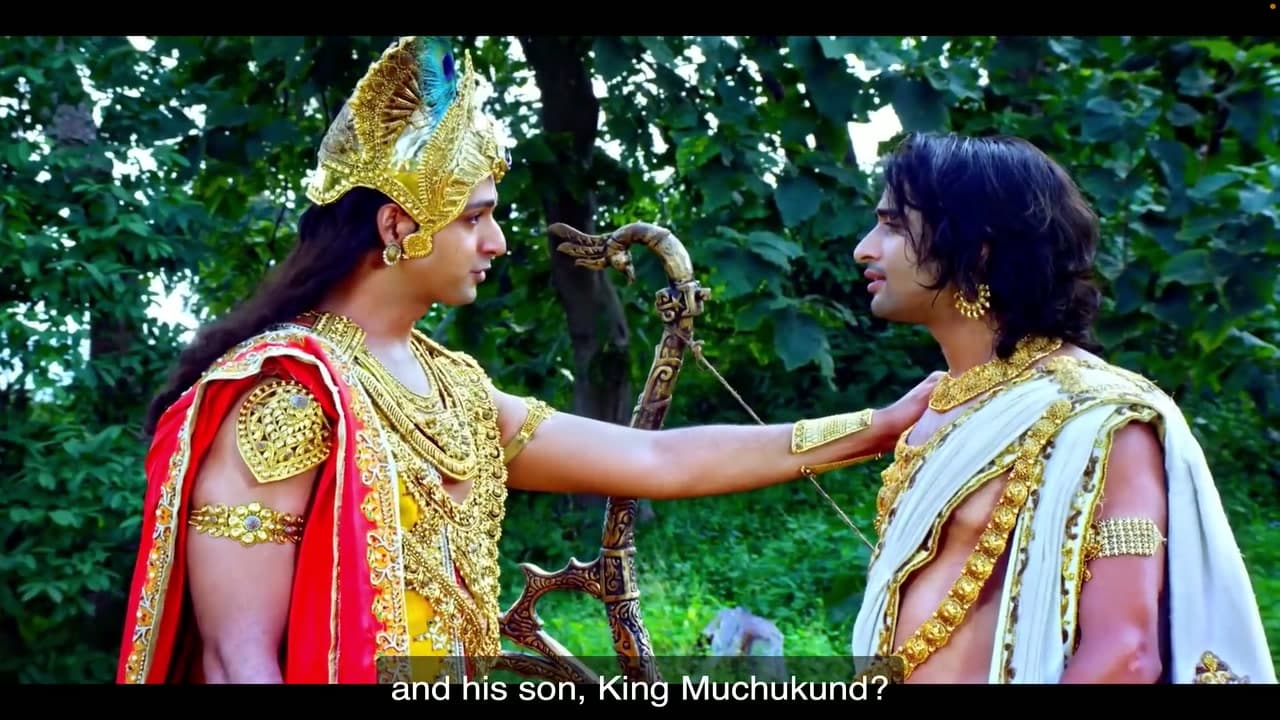
"If it is truly so, then what is the significance of kanyadaan, the giving of the daughter, Vasudeva?" "When the coconut falls into the sea, the tree gives up its claim over the fruit. But to which shore it will drift, in which soil it will settle and rise as a new tree — that is decided by the fruit alone, and by its destiny. In kanyadaan too, the mother and father give up the claim they held over their daughter; but whose claim she will take upon herself — that is decided by the daughter alone."
Chapter 27 — The Meaning of Kanyadaan
Chapter 27 of 35 — a single teaching, 1 min in total.
Tags
Kanyadaan, and what the rite claims to do.
Kanyadaan — literally the giving of the daughter — is the central act of the classical Hindu marriage rite, and its literal reading has been argued over for a very long time, inside the tradition as well as outside it. The word contains daan, gift, and the difficulty is exactly there: a person is not property to be transferred.
The Mahabharat is not a comfortable text on this. Draupadi is staked at dice by a husband who believes he has standing to stake her, and the assembly cannot agree whether he did. The epic stages the question rather than resolving it.