Loading
Resistance Is Not the Proof of Power
“From anger, vengeance is born; but from Dharma, justice is born, Draupadi.”
About this teaching
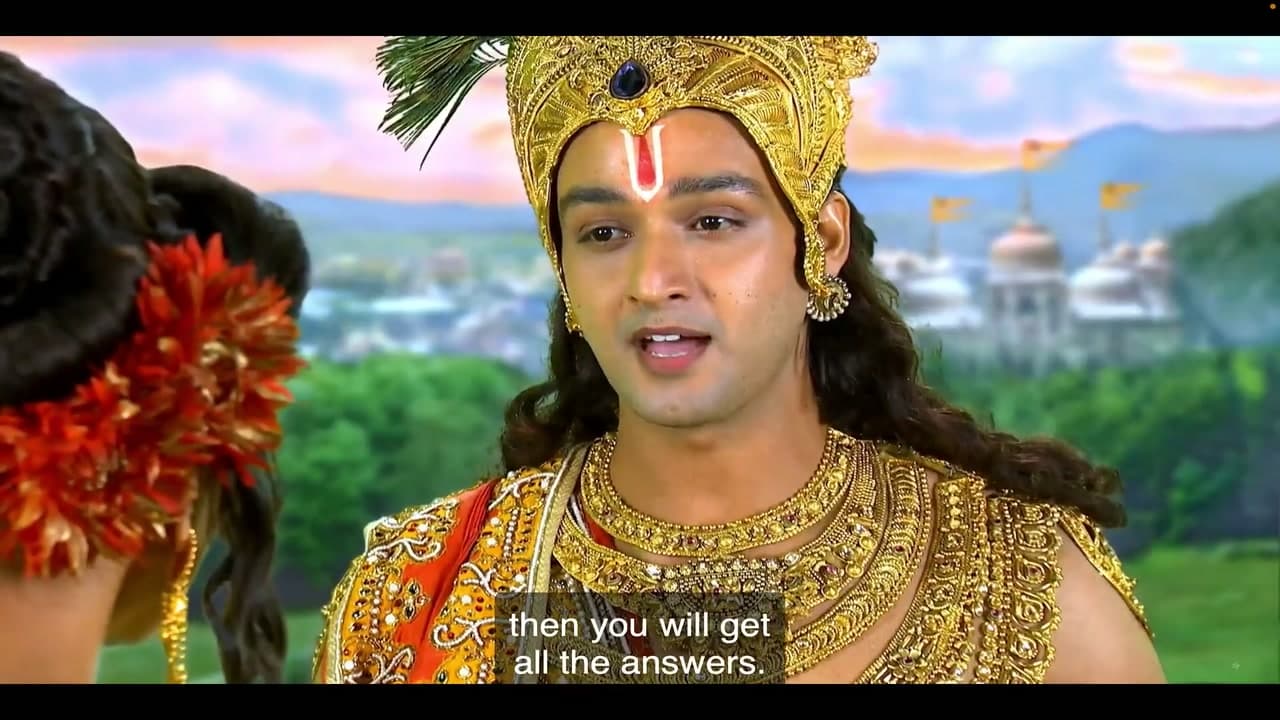
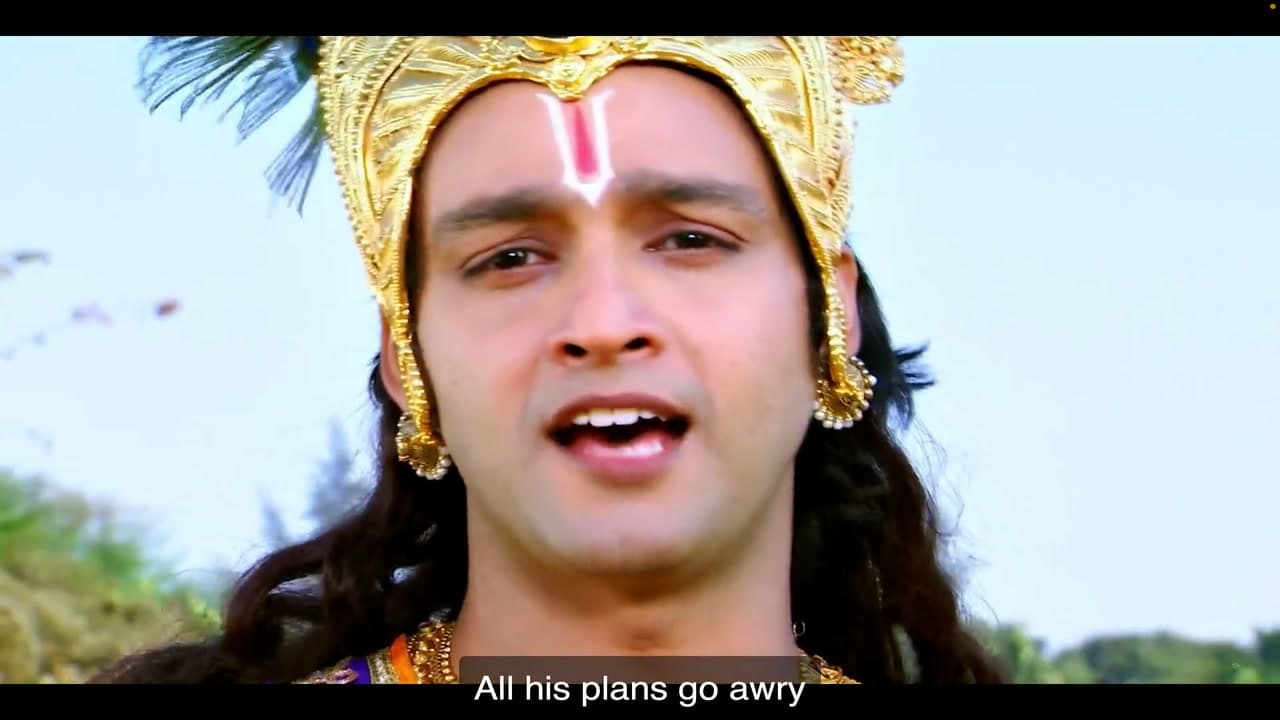
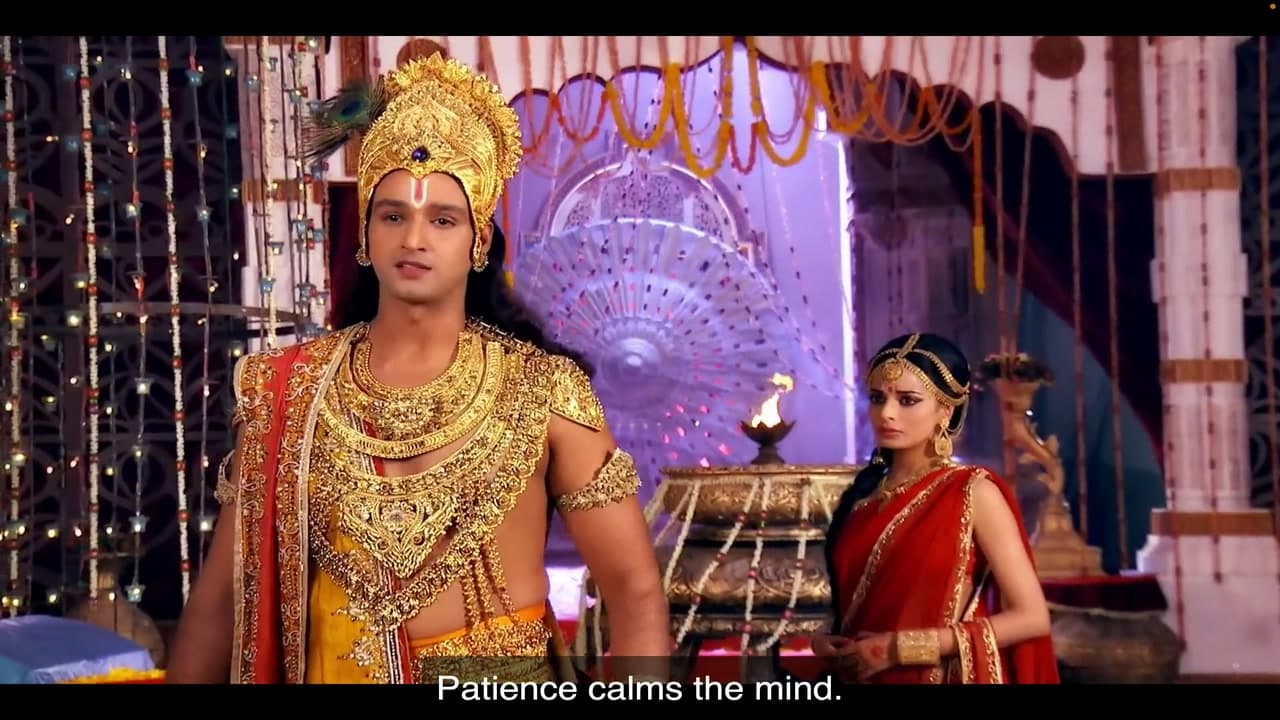
"So then, if there is truth in these words, the sons of Pandu accepted injustice? They did not even resist — and you call them powerful?" "Resistance is not the proof of power, Draupadi. The powerful one is he who endures, he who is able to bear." "But what of justice, Govind?
The questions this teaching puts
"So then, if there is truth in these words, the sons of Pandu accepted injustice?
The powerful one is he who endures, he who is able to bear." "But what of justice, Govind?
Chapter 26 — Righteousness and Dharma
Chapter 26 of 35 — 7 parts, 20 min in total.
Tags
Dharma — the hardest word in the epic to translate and the one everything turns on.
Dharma is rendered as duty, righteousness, law, or the right way to live, and none of those is quite it. It is closer to the thing that holds a situation together — what a person in this role, at this moment, with these obligations, ought to do.
The Mahabharat's central difficulty is that dharma is not a fixed rulebook. Bhishma's vow is dharma; his silence in the assembly hall is adharma; both come from the same commitment. Yudhishthira is called Dharmaraja and still stakes his wife at dice. The epic keeps refusing to let dharma be simple.
Krishna is the one who repeatedly cuts through — sometimes with counsel, sometimes with actions the characters themselves find questionable. The Gita's closing instruction is not a rule but a release: set aside all other duties and take refuge in what is highest.